English
 Español
8oz PET cold cups are sturdy, crystal clear and suitable for cold beverage options. These high-quality cups are widely used in various restaurants and...

Home / News / Industry news / Styrofoam Cup vs Paper Cup: Pros and Cons for Hot and Cold Drinks at Cafes
Content
Ask a room full of cafe owners whether they prefer a styrofoam cup or a paper cup, and you will usually get a confident answer before anyone has poured the drink. Both cups have loyal fans, and both have real weaknesses. The honest comparison comes down to what you are serving, how long it sits in the customer's hand, and what your regulars expect to see on the counter.
We have spent years producing food-grade drink packaging for coffee shops, tea brands and takeaway kitchens, and the same questions come up every time. So here is a plain-language look at the pros and cons of each cup, with the practical details that actually shape a buying decision.
Styrofoam is a brand name that has become shorthand for expanded polystyrene, or EPS. The cup begins as polystyrene beads that are puffed up with steam until the material is mostly trapped air. That is why a foam cup weighs almost nothing, and it is also why it insulates so well.
A paper cup is a paperboard shell with a thin barrier layer on the inside. Most are still coated with polyethylene, while newer versions use PLA or water-based coatings so the cup can break down more easily in commercial composting. The coating is what stops liquid from soaking into the fiber. Almost every advantage and drawback below traces back to those two structures.
The recycling story is the weak point. EPS is rarely accepted in kerbside collection because it is bulky, light and hard to sort economically, and it breaks into fragments that are difficult to collect once it is loose in the environment. Several cities and states have restricted single-use foam outright. On the counter, foam can also read as inexpensive and disposable, which is a problem for brands that sell an experience. Thin foam cracks under pressure, and microwave use should always follow the manufacturer's guidance.
A paper cup is only as good as its lining. A polyethylene coating makes the cup recyclable in some systems but not compostable in most, so the environmental claim has limits. Hot drinks usually need a sleeve or a second wall, which adds cost and material. Cheaper cups soften and lose their seam when liquid sits for twenty minutes. And the unit price is typically higher than foam for the same capacity.
The table below summarizes how the two cups behave in everyday drink service.
| Factor | Styrofoam (EPS) Cup | Paper Cup |
|---|---|---|
| Heat retention | Excellent | Good, better with double wall |
| Comfort for hot drinks | No sleeve needed | Sleeve or second wall |
| Cold drink performance | Little sweating, stays firm | Can soften if liquid sits |
| Cost per unit | Lowest at volume | Higher |
| Curbside recycling | Rarely accepted | Accepted in some programs |
| Composting | Not compostable | Possible with PLA lining |
| Brand impression | Practical, budget-friendly | Premium, responsible |
| Typical use | Hot coffee, iced drinks, events | Branded coffee, tea, retail |
If temperature and comfort are your priority, foam is hard to beat, and a double-wall paper cup is the closest paper equivalent. Many operators run both: foam for the early commuter rush and paper for customers who ask. For hot drinks that need more structure, such as large volumes, long holding times, or a lid that must stay sealed, rigid PP cups are a practical middle path. They keep their shape, hold heat well, and take a tight lid without flexing.
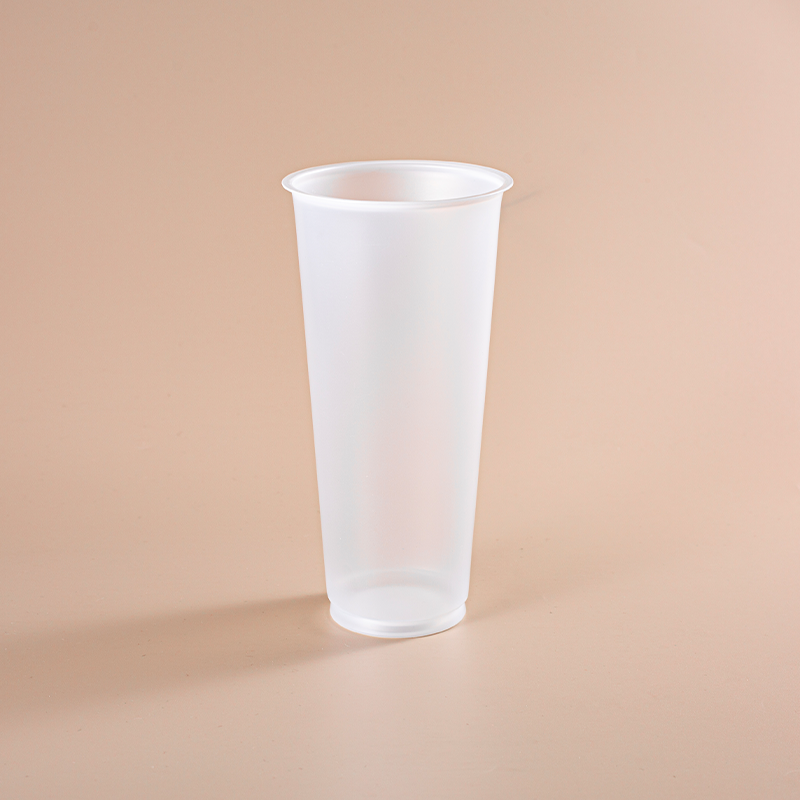 Food-Grade PP Disposable Cups for Hot and Cold DrinksRigid, crystal-clear food-grade PP cups in 400ml to 700ml sizes, designed for hot or cold drinks needing structure and a tight lid.View Product →
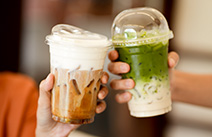
Cold drinks change the calculation. Foam does not sweat and never goes limp, but clear cups show the drink, which matters for iced coffee, fruit tea and layered lemonades. PET cold cups give that visual clarity without the softening you get from a cheap paper cup, and they pair with flat or dome lids for toppings.
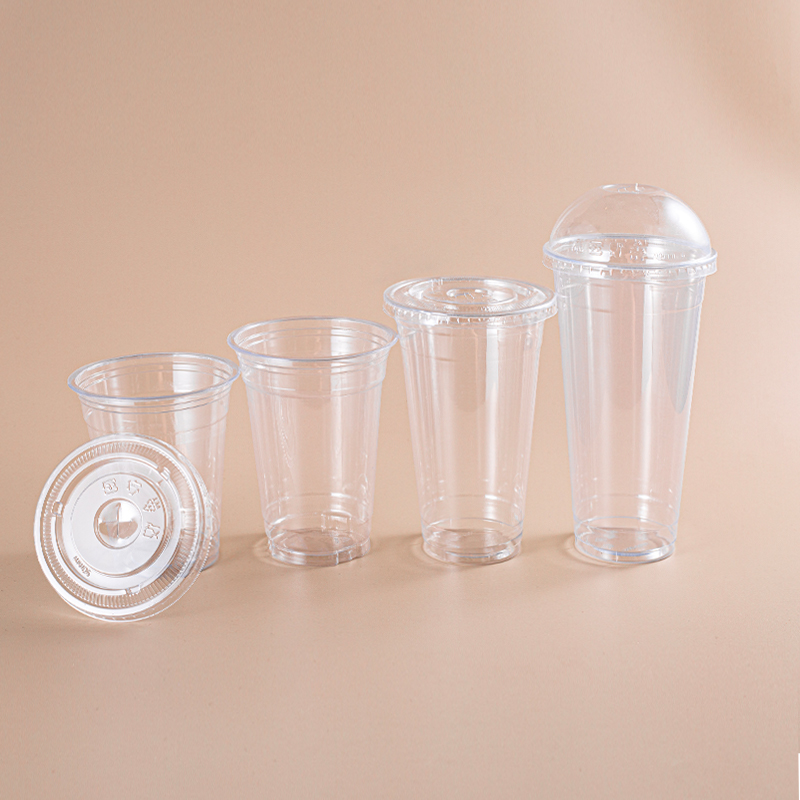 Crystal-Clear PET Cold Cups for Iced Coffee and TeaCrystal-clear PET cups for cold drinks like iced coffee, tea, and milk tea, available in multiple sizes with recyclable PET construction.View Product →
If your customers ask about waste, a transparent PLA cup offers a similar look in a plant-based material that can be composted in industrial facilities.
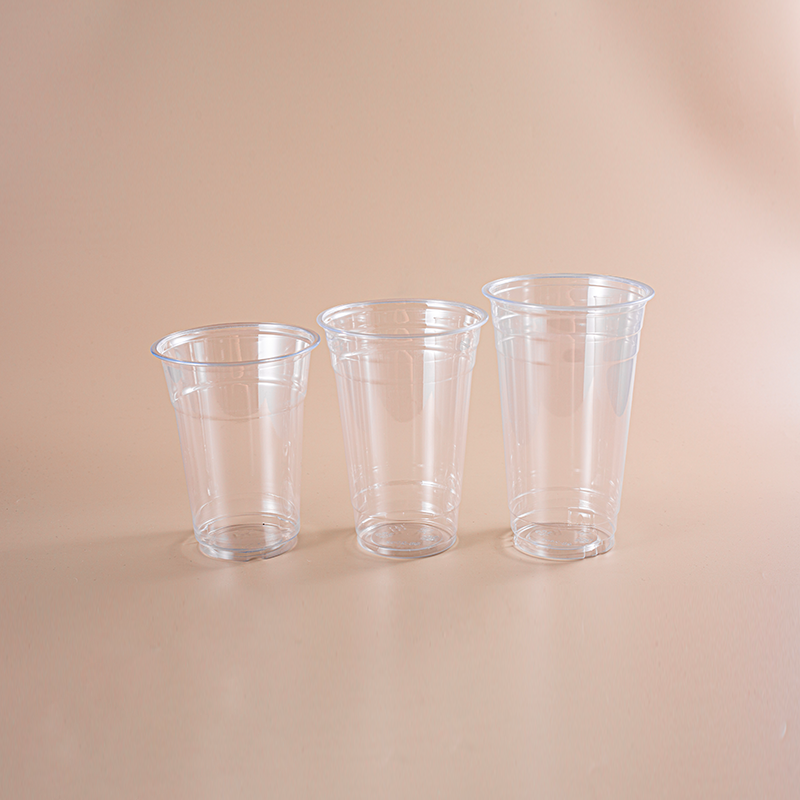 Transparent BPA-Free PLA Cups for Cold DrinksTransparent BPA-free PLA cups in 8oz to 32oz sizes, a plant-based cold-drink option with dome or flat lid choices.View Product →
Thick drinks need a cup that will not buckle when the spoon goes in. Wide U-shaped PP cups hold their shape, keep the base stable and finish neatly with a dome lid, and they avoid the condensation that makes a paper cup slippery in a customer's hand.
There is no single winner in the styrofoam versus paper cup debate, and anyone who claims otherwise is usually selling something. Foam wins on insulation and price. Paper wins on perception and material story. Rigid PP, PET and PLA cups win on strength, clarity and lid performance, which is why so many drink menus now run two or three formats side by side.
If you want to see how material choices play out across a full drink menu, our range of disposable plastic cups covers PP, PET and PLA options in the sizes most cafes and tea shops order. And if sustainability claims are part of your brand promise, it is worth understanding how eco-friendly food packaging is becoming more important for the industry as a whole, because your cup is often the last thing a customer holds before they decide whether to come back.
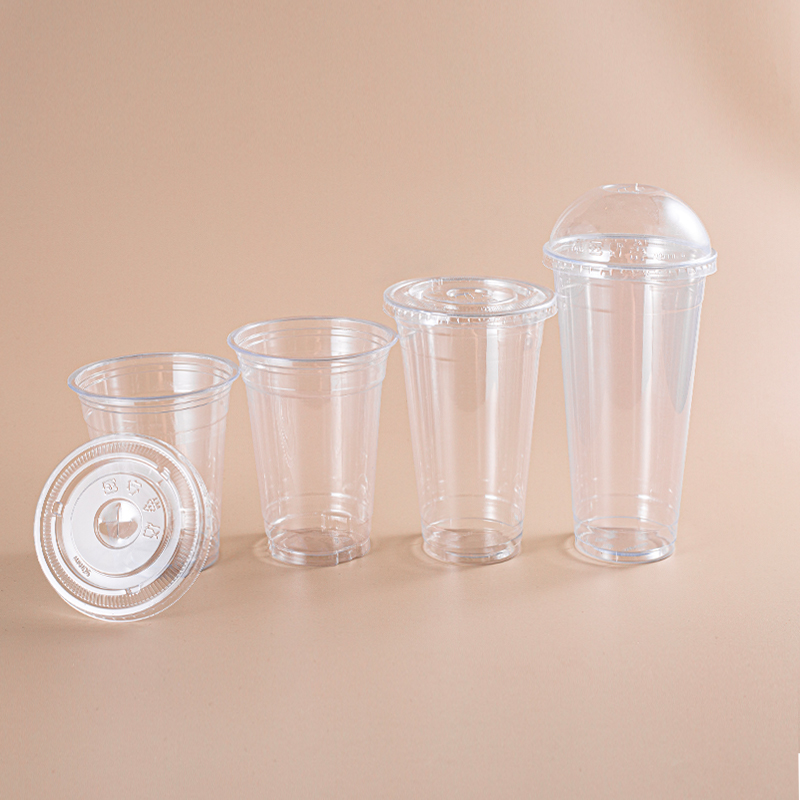
8oz PET cold cups are sturdy, crystal clear and suitable for cold beverage options. These high-quality cups are widely used in various restaurants and...
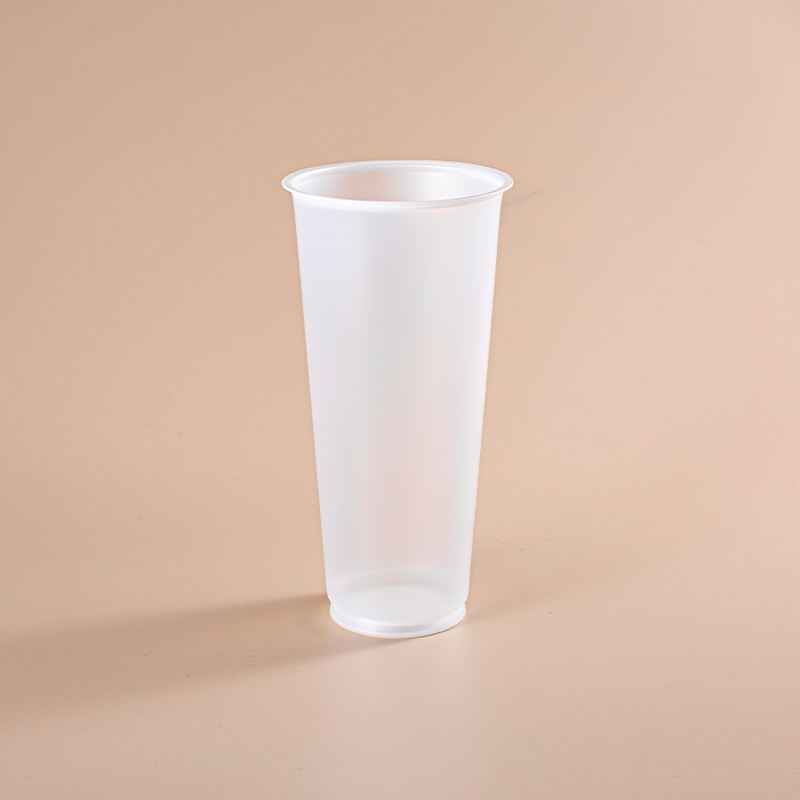
Available in three sizes — 400ml, 500ml, and 700ml — these food-grade PP cups are built for everyday commercial use in coffee shops, restaurants, and ...
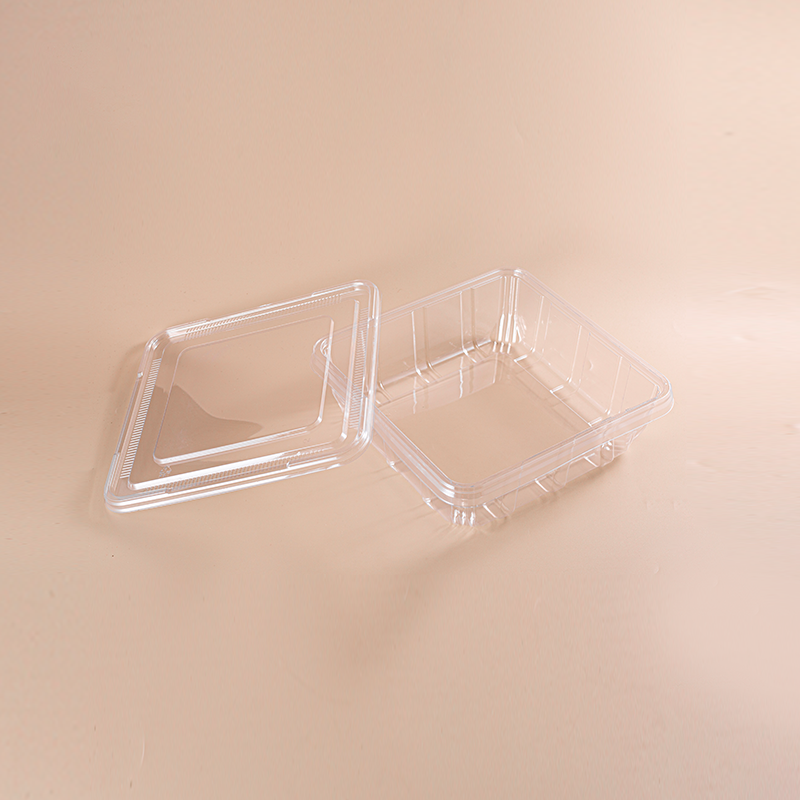
This square PET transparent food packaging box is designed with an increased height structure, making it especially suitable for packaging taller bake...
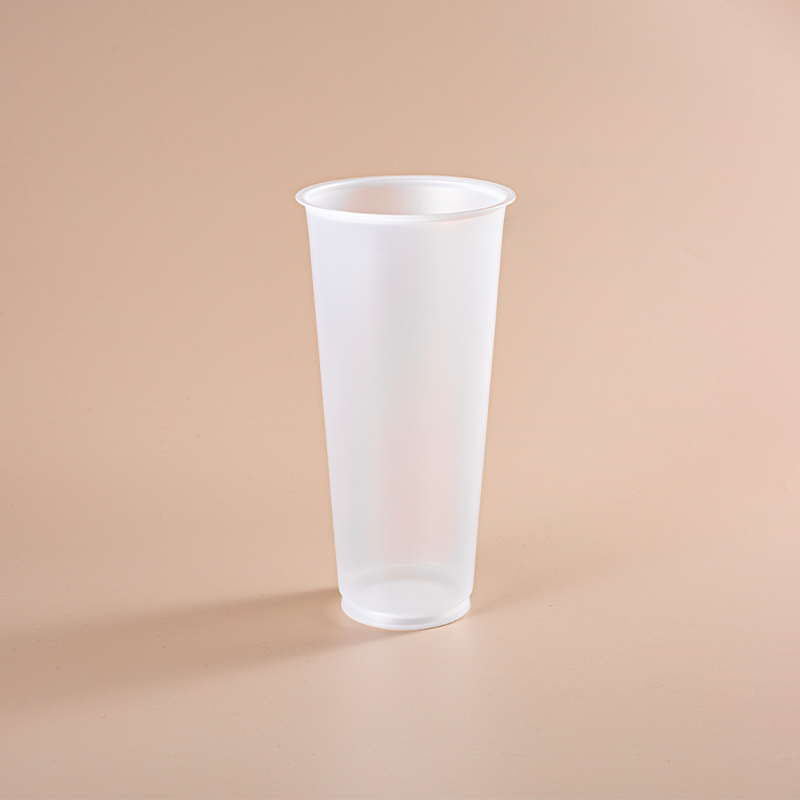
Our company produce various specifications of PP cups, PP cups are more solid and have smooth rims,They feel very solid when held in the hand. As one ...
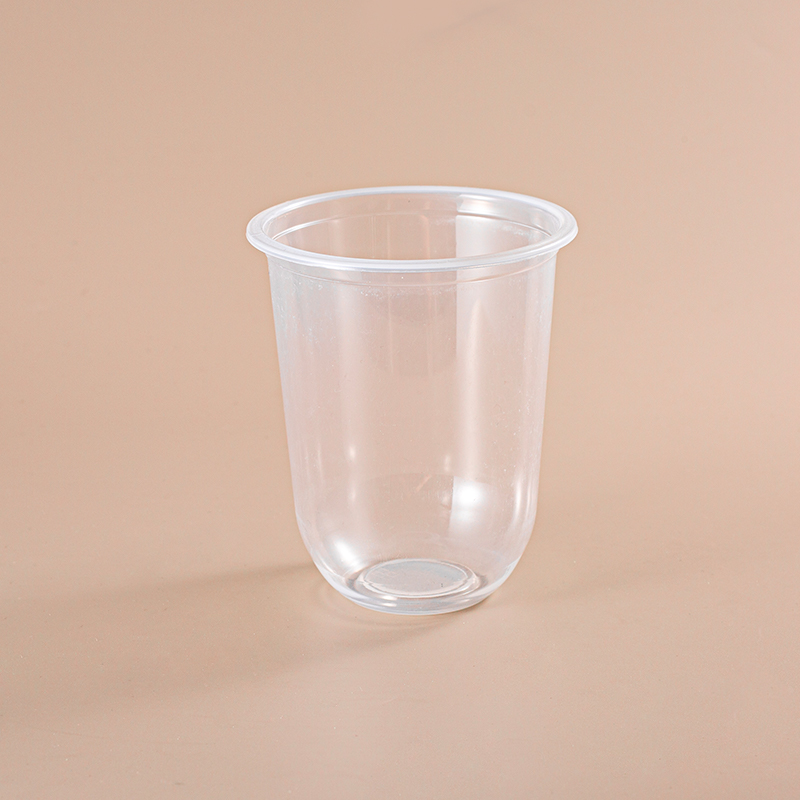
U-shaped plastic cups are ideal for serving a variety of beverages, including bubble tea, juice, smoothies, cocktails, mocktails, etc. These transpare...
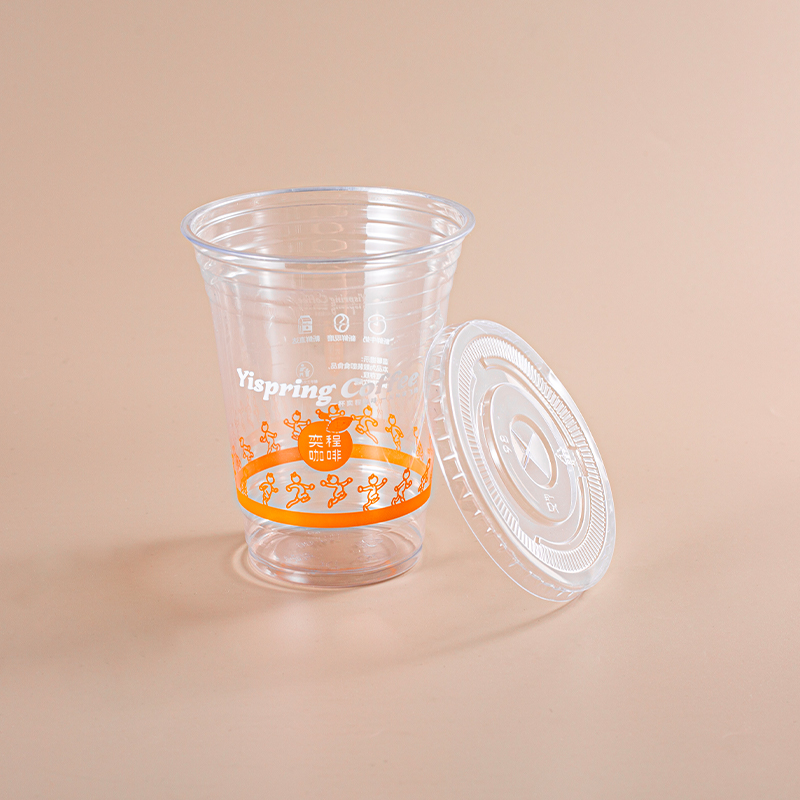
We can print on the cup body according to the design provided by the customer. We can print up to 8 colors. Customization is welcome, we provides p...
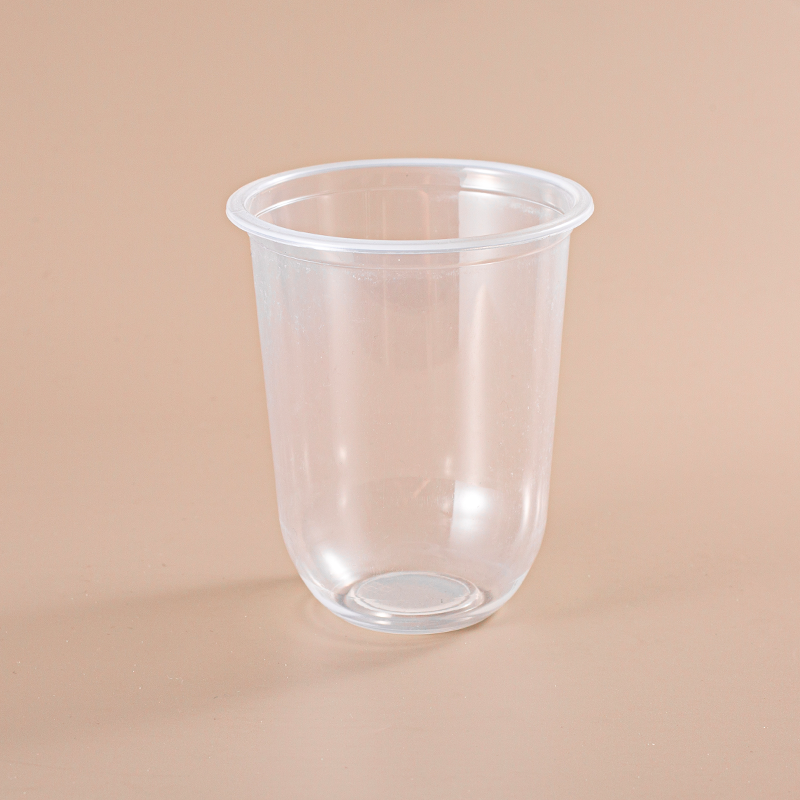
The U-shaped silhouette of these PP milkshake and ice cream cups makes them an instant standout on any counter or display. Offered in 400ml, 500ml, an...
With the rapid development of the takeout and catering industry, high-quality disposable lunch boxes have become an essential packaging product in mo...
Disposable Food Containers Evolve to Meet the Needs of Modern Takeaway and Catering The rapid development of takeaway services, food delivery and conv...
Fresh Food Packaging Develops to Improve Protection, Presentation and Shelf Life Fresh food products require packaging that can provide protection thr...
Against the global backdrop of low-carbon transformation and circular economy development, the green and environmental-friendly upgrade of the food p...
Eco-Friendly Food Packaging Gains Momentum as Food Industry Embraces Sustainable Solutions As food delivery, takeaway services, fresh retail and conve...