English
 Español
Crafted from high-quality, food-grade polypropylene (PP), our Orange Food Plastic Tray combines vibrant aesthetics with uncompromising safety and dura...

Home / News / Industry news / Can You Microwave Deli Containers? Safe Reheating Rules for Takeout Food
Content
Deli containers are the quiet workhorses of takeout food. The quart of wonton soup, the pint of chili, the potato salad from the supermarket counter, the sliced fruit from the corner shop — almost all of them arrive in the same kind of thin-walled tub. So it is a fair question to ask whether that tub can go straight into the microwave when you get home, or whether you should be reaching for a ceramic bowl instead.
The honest answer is that it depends on what the container is made of and whether it was designed to take heat. This guide walks through the materials you are most likely to meet, how to read the markings on the base, and the habits that keep reheating simple and safe.
The phrase gets used loosely, and that looseness is the source of most of the confusion. In everyday language, a deli container can be any of the following:
These are not interchangeable. A tub made from polypropylene and a clear display bowl made from PET can look almost identical in shape, yet behave completely differently once food starts steaming. One will hold its shape through a two-minute reheat; the other may soften, cloud over or deform before the food is even warm.
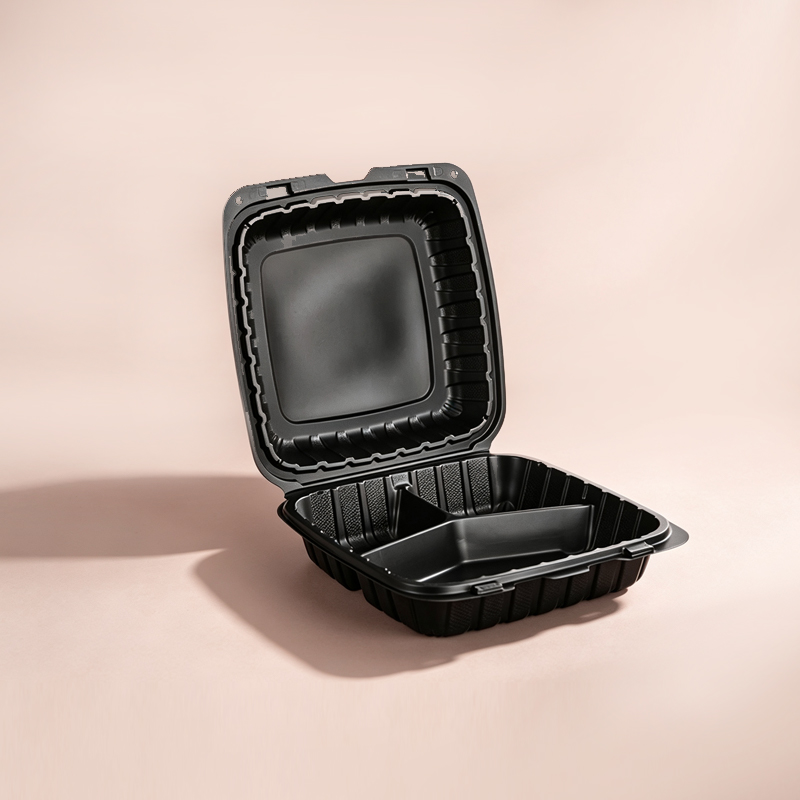 Disposable Black Food-Grade American-Style Hinged PP Lunch BoxA disposable black food-grade PP lunch box with one-piece flip-top and wider buckle for hot meal transport and reheating.View Product →
The food-grade American-style lunch box is a good example of the first group: a rigid, hinged PP tray with compartments, designed to carry a hot meal from the kitchen to the table and back into the microwave again.
If the container is made from polypropylene — typically marked with a number 5 inside a triangle on the base, or simply labelled PP — and it also carries a microwave-safe symbol or wording, reheating food in it is generally considered acceptable. Polypropylene has a melting point well above the temperature that boiling water and steam can reach, so a normal reheat will not distort it.
The picture changes for other materials. PET, the clear plastic used for cold cups and salad bowls, is chosen for clarity and cold-display appeal, not for heat. PLA, the plant-based plastic used in many compostable containers, is a sensible choice for cold or lightly warm food but softens at temperatures well below boiling. Polystyrene clamshells and expanded foam trays are likewise not intended for the microwave; they warp, crack and release odours.
There is one more variable that catches people out: the lid. Even when a tub is genuinely microwave safe, the lid is often thinner and made from a different grade of plastic. Lifting a corner to vent, or removing the lid altogether and covering the food with a microwave-safe plate, removes that risk entirely.
Before you decide, turn the container over. The resin code, the material abbreviation and any microwave instruction are usually moulded into the base. The table below sums up what each material usually means for reheating.
| Material | Typical deli use | Microwave reheat | What to watch |
|---|---|---|---|
| PP (5) | Pint and quart tubs, lunch boxes, soup bowls | Usually yes | Confirm the microwave symbol; vent or remove the lid |
| PET (1) | Clear salad bowls, cold cups, dessert boxes | No | Built for cold display and softens quickly under heat |
| PLA | Compostable cups, bowls and takeaway trays | No | Plant-based and heat-sensitive; keep to cold or warm food |
| PS (6) | Some clamshells, plates and cutlery trays | No | Warps, cracks and can release odour |
| Foam | Cups, plates and clamshell trays | No | Deforms immediately and cannot be reused |
| Coated paper | Soup and noodle bowls with lids | Short reheat only | Coating quality varies; follow the printed label |
Two things happen inside a microwave at once: the food heats unevenly, and the container absorbs some of that energy. Thin, single-use tubs have very little material to absorb it, which is why a lightweight margarine tub or a flimsy takeaway tray can buckle in seconds while a thicker PP lunch box sails through.
Uneven heating matters for another reason. Oily, fatty or sugary foods can reach temperatures well above boiling in small pockets, far hotter than the rest of the dish. That is exactly the condition under which plasticisers and other additives are most likely to migrate into food. Regulators set migration limits for food-contact plastics, and containers sold for food use are required to stay within them, but the margin narrows when a container is pushed past the job it was designed for.
Practical signs that a container has reached the end of its useful life include visible scratches, white stress marks, a persistent stain that will not wash out, or a faint plastic smell. Any of those is a good reason to move the leftovers into a fresh container.
Liquids are the trickiest case because they carry a lot of thermal mass and hold heat far longer than a plate of rice. A quart of soup can keep a thin container hot for several minutes after the microwave stops, which is why the wall thickness and the shape of the tub matter so much.
Round bowls handle this better than square ones. A smooth, rounded profile with no tight internal corners distributes heat more evenly and is easier to stir, and a properly fitting lid keeps the contents hot on the way home. Ordering patterns reflect this too — as the takeaway market has grown, disposable food containers have adapted to modern takeaway demand by combining heat resistance with lids that seal properly.
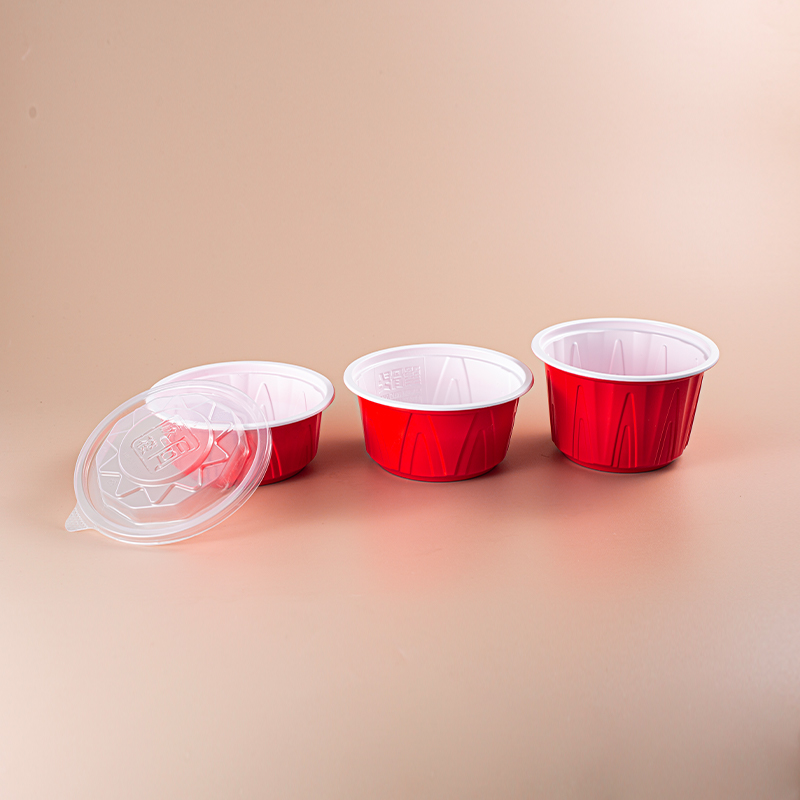 Plastic PP Round Soup Bowl for Hot Takeaway SoupsA rigid, stackable food-grade PP bowl with rounded edges and a sealing lid, made for hot soups and oily dishes in takeaway service.View Product →
That is the thinking behind a rigid PP round soup bowl: a sturdy wall, a clean rim and a lid that survives the trip without leaking into the bag.
If you are choosing containers for a kitchen rather than reheating last night's dinner, the question shifts from "can I microwave this" to "will this still look right after a hundred reheats". A few specifications do most of the work:
This is where an experienced supplier earns its keep. Our own production sits inside a Class 100,000 GMP clean workshop, with ISO 9001, ISO 14001, ISO 45001, ISO 22000 and BRC Grade A certification behind it, and our moulding lines run on German ILLIG thermoforming equipment. None of that is a substitute for reading a label — but it is the reason a label can be trusted.
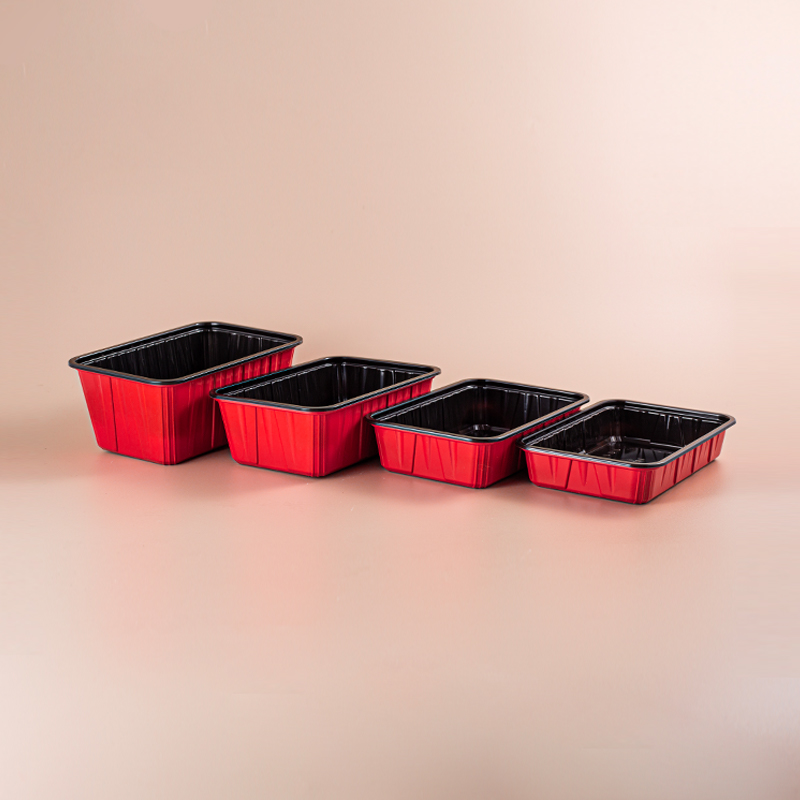 Microwavable Square PP Food Box with Snap-Locking LidA rigid, stackable food-grade PP container with a sealing cap and snap-lock structure, suited to microwavable food storage and takeaway.View Product →
For kitchens that need a solid, stackable option, the microwavable PP square box combines a rigid body with a heat-tolerant material, and our eco-friendly food container range covers paper bowls, round bowls, salad bowls and lunch boxes for operators who want a lighter footprint without giving up performance.
Check the base first. If it is PP and marked microwave safe, a short reheat is fine — take the lid off or vent it, and use medium power in bursts. If the material is PET, PLA or foam, transfer the soup to a bowl.
Rigid PP tubs and lunch boxes can be washed and reused many times, provided they are not scratched, stained or warped. Thin single-use tubs degrade quickly and are best retired after the meal they came in.
Treat the lid as a separate decision. Lids are often thinner and made from a different material, so venting or removing them is the safest habit. Clear PET lids in particular should never go into the microwave.
So, can you microwave deli containers? Usually yes — for polypropylene tubs that carry a microwave-safe mark, a quick reheat is perfectly ordinary. For clear display bowls, compostable PLA, foam trays and thin single-use containers, the answer is no, and moving the food to glass or ceramic takes only a moment. Read the base, vent the lid, heat in short bursts, and retire anything that has started to warp. Those four habits answer the question far more reliably than the shape of the container ever will.
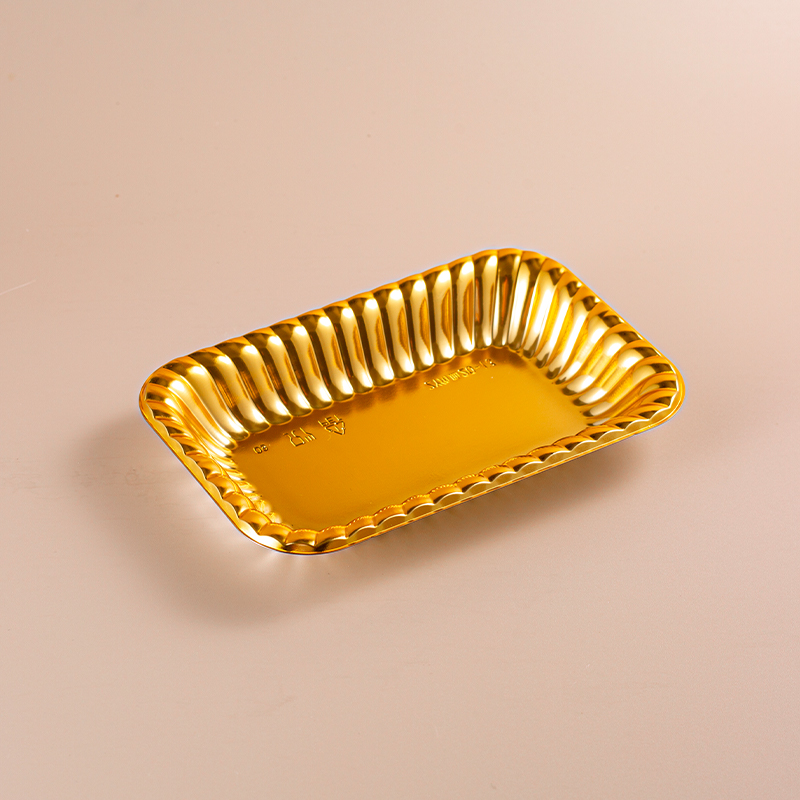
Crafted from high-quality, food-grade polypropylene (PP), our Orange Food Plastic Tray combines vibrant aesthetics with uncompromising safety and dura...
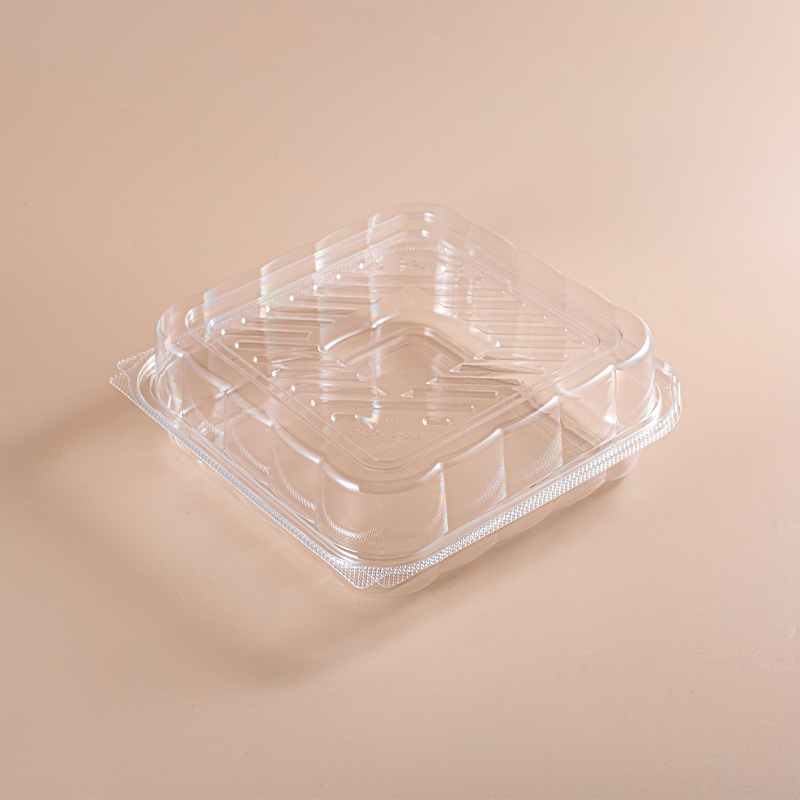
Our square baking box is designed to provide a reliable and attractive packaging solution for a wide range of baked goods. Made from premium food-grad...
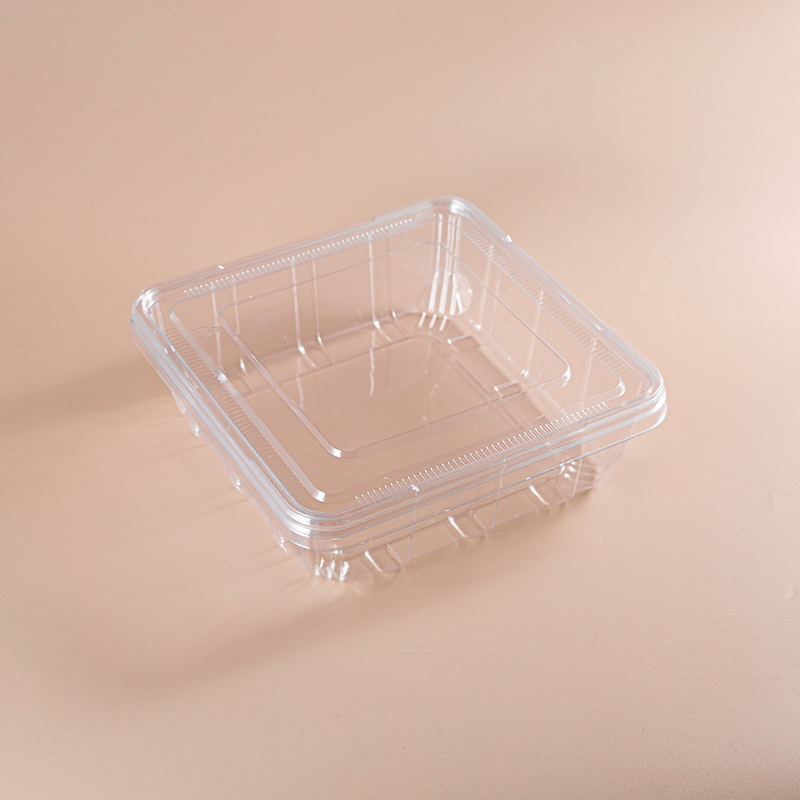
Our baking boxes are made from premium food-grade PET material, providing an eco-friendly, disposable packaging solution that combines functionality w...
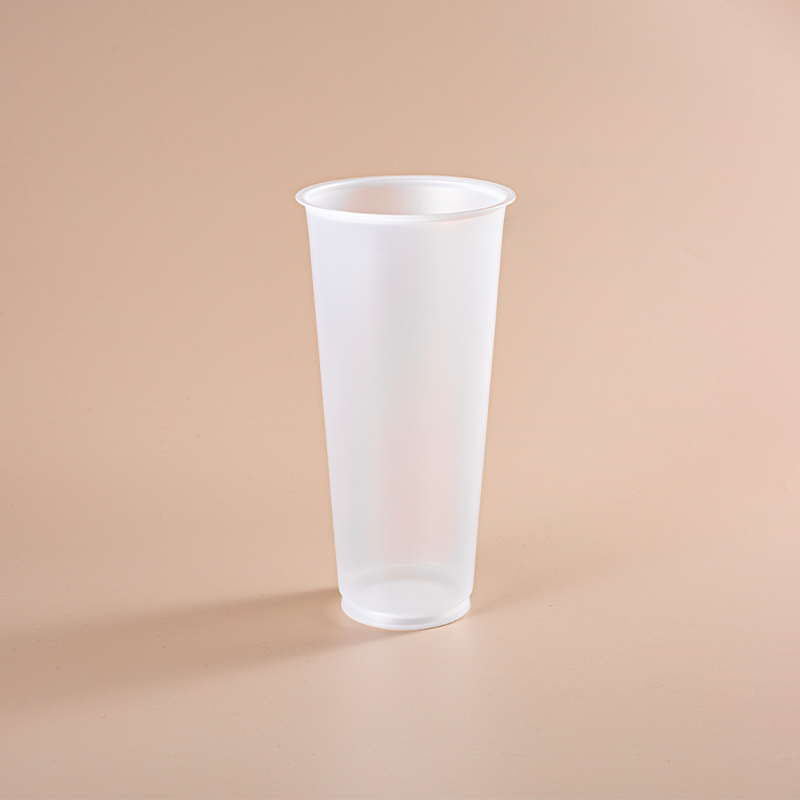
Our company produce various specifications of PP cups, PP cups are more solid and have smooth rims,They feel very solid when held in the hand. As one ...
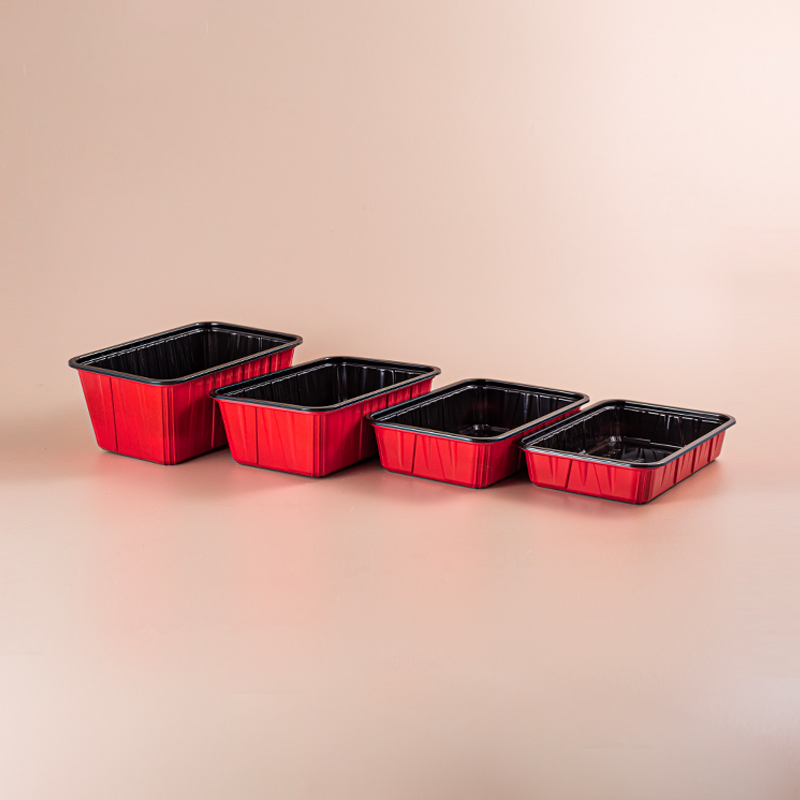
Currently, we offer 380/500/700/1000ml options.Made of compliant food-grade PP polypropylene, this product is odorless, contains no harmful additives ...
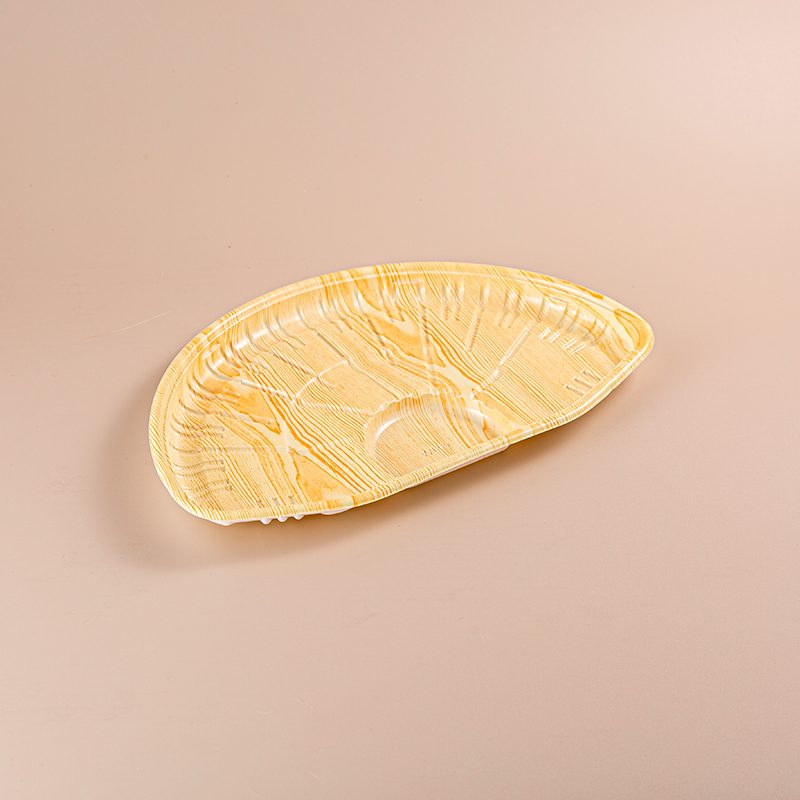
PP plastic meat trays provide a hygienic, safe packaging solution for perishable products sold across supermarkets, restaurants, and fresh food stores...
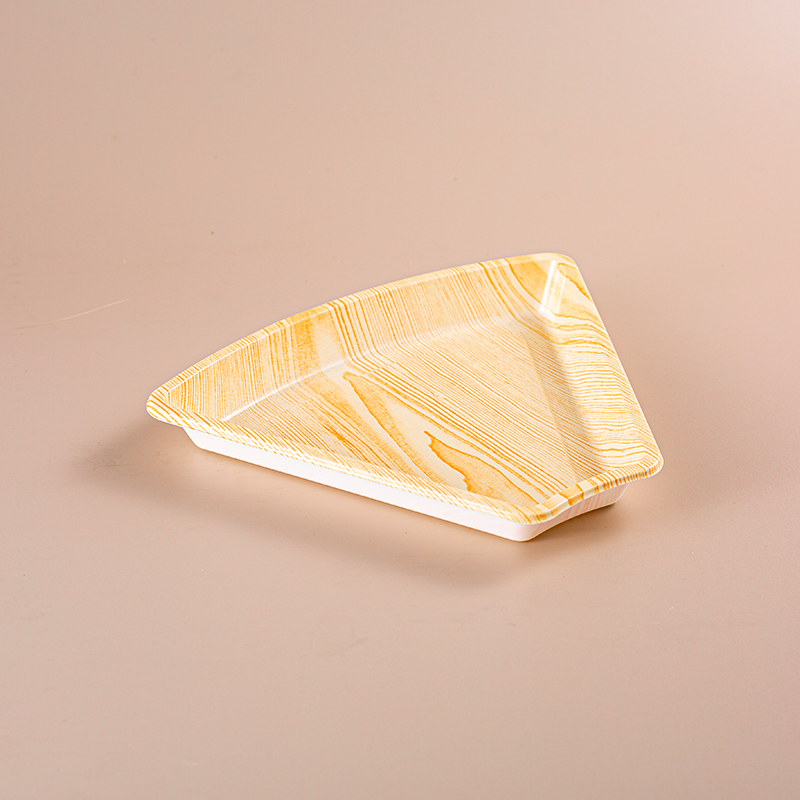
This square tray gives you the natural look of wood without the maintenance or cost. The wood‑grain finish adds a warm, premium feel that makes fresh ...
With the rapid development of the takeout and catering industry, high-quality disposable lunch boxes have become an essential packaging product in mo...
Eco-Friendly Food Packaging Gains Momentum as Food Industry Embraces Sustainable Solutions As food delivery, takeaway services, fresh retail and conve...
Disposable Food Containers Evolve to Meet the Needs of Modern Takeaway and Catering The rapid development of takeaway services, food delivery and conv...
Fresh Food Packaging Develops to Improve Protection, Presentation and Shelf Life Fresh food products require packaging that can provide protection thr...
Against the global backdrop of low-carbon transformation and circular economy development, the green and environmental-friendly upgrade of the food p...