English
 Español

This rectangular plastic sandwich box is made from high-quality food-grade PET material, ensuring excellent food safety, freshness, and reliable perfo...

Home / News / Industry news / Are Applebee’s To Go Containers Microwavable? Practical Applications and Selection Tips
Content
Few small pleasures beat turning last night's takeout into today's lunch, and few small frustrations beat standing in front of the microwave, container in hand, wondering whether it is about to warp, leak or worse. If the bag came from Applebee's, the truthful answer to whether the container is microwavable is: it depends which container you are holding. There is no single Applebee's to-go box. A typical order leaves the kitchen in a few different formats, and restaurants do not publish a material specification sheet for them.
That means the reliable way to answer the question is to flip the container over and look for the small triangle stamped into the base. That symbol, rather than the logo printed on the lid, tells you what will happen next.
Food packaging is chosen for how it performs during transport, not for how it behaves in your kitchen. Two containers can look almost identical and still be made from plastics with very different heat limits.
Polypropylene, marked PP or number 5, is the workhorse of hot-food takeout. It softens only well above the temperature a domestic microwave reaches when reheating a normal meal, which is why most rigid entrée trays, soup cups and slightly waxy-feeling hinged clamshells carry a #5 stamp. These are the ones that usually come through a reheating cycle without drama.
Polystyrene foam (#6) is the opposite case. The trapped air that makes it a good insulator also makes it collapse: a foam clamshell can sag within a minute or two, and the food inside tends to pick up a plastic taste along the way.
Clear PET (#1), the glass-like plastic used for salad bowls and cold cups, is formulated for cold service. It starts to distort at around 70°C, and thin walls can crack rather than bend. PLA, the compostable plastic in some eco-friendly cups, is even more heat-sensitive, because it is designed to break down and a microwave simply speeds that process up.
Paper containers sit in a grey zone. Plain uncoated paper can be fine, but takeout paper is usually lined with a thin film to stop leakage, and that lining may blister or separate when heated.
Most casual-dining takeout orders are a mix of formats rather than one box. The table below covers the ones you are most likely to find in an Applebee's to-go bag, along with what the base stamp usually means.
| Container you are holding | Usual resin | Microwave verdict | Best move |
|---|---|---|---|
| Rigid entrée tray or hinged clamshell | PP (#5) | Usually safe | Crack the lid, heat in short bursts |
| Foam clamshell or foam cup | PS (#6) | Not safe | Move the food to a plate |
| Clear salad bowl or cold cup | PET (#1) | Not safe | Keep it cold, or decant |
| Soup or sauce cup | PP cup, lid may differ | Cup usually fine | Remove an unmarked lid |
| Foil pan with a board lid | Metal | Never | Transfer to a glass dish |
| Paper bowl with a film lining | Paper plus PE or PLA | Usually not | Transfer before heating |
| Opaque cream or black ovenable tray | CPET | Typically yes | Check the moulded stamp |
If the base is unmarked, or the print has been obscured by grease, treat the container as unknown and transfer the food. A plate costs you thirty seconds; a melted tray costs you dinner.
A short list worth keeping in mind:
Even a genuinely microwavable container can fail if it is used carelessly. These habits make more difference than the box itself:
We go deeper into the temperature side of this in our notes on safe reheating rules for takeout containers.
It is tempting to assume a national restaurant brand buys one container, in one material, for every location. In practice, packaging decisions sit with suppliers, distributors and regional buyers, and they change for fairly ordinary reasons: a local ban on expanded polystyrene, a menu item that needs a leakproof base instead of a hinged lid, a shortage of one format, or a switch to a compostable cup in a particular market. A franchisee may also top up supplies locally.
The consequence for you is simple. Experience with a chain's packaging last year says nothing definite about this year's box, and the only authority is the container currently in your hand.
From the manufacturing side, a container that reheats well is not complicated; it is simply specified honestly. Base and lid should be matched in material so both behave the same way under heat. Walls should be thick enough to hold their shape when a fork presses against them. The resin code should be moulded into the base rather than printed on a label that grease can lift. And there should be an obvious venting point, so the person reheating lunch does not have to guess.
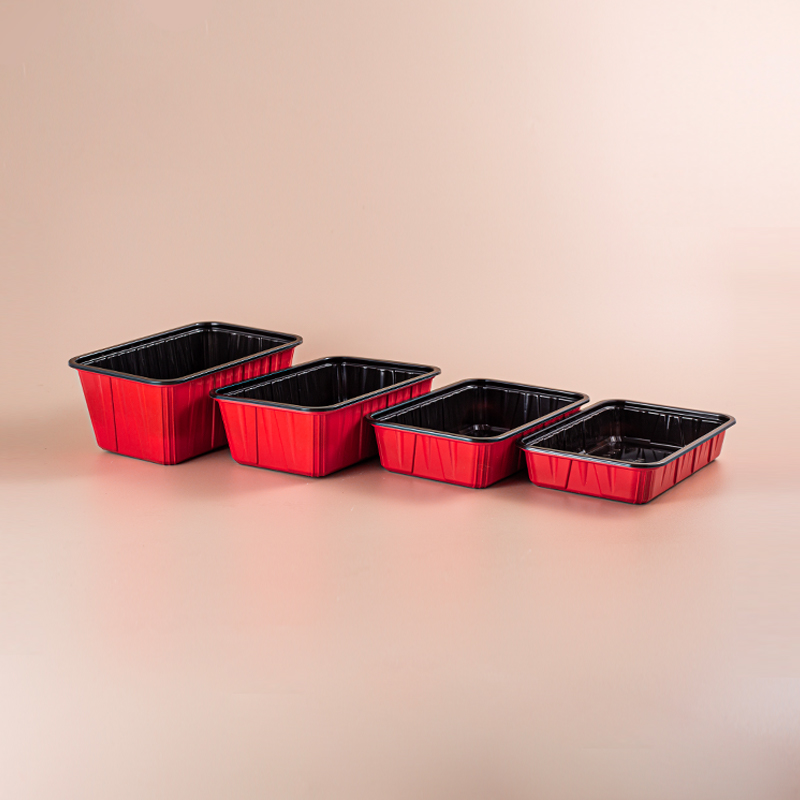 Microwavable Square PP Food Box in Four CapacitiesFood-grade PP box in 380–1000ml sizes, with snap-lock sealing and microwave-safe performance for buyers specifying reheating use.View Product →
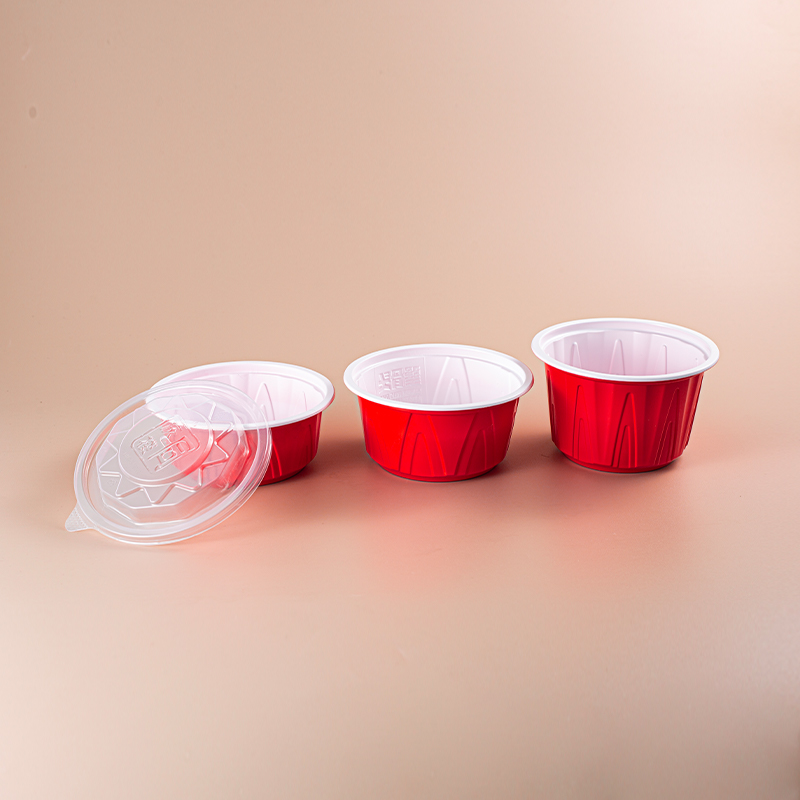 Round PP Soup Bowls for Hot and Oily DishesFood-grade PP round bowls in 300–600ml headline sizes, stackable and heat-resistant for hot soup filling and later microwave reheating.View Product →
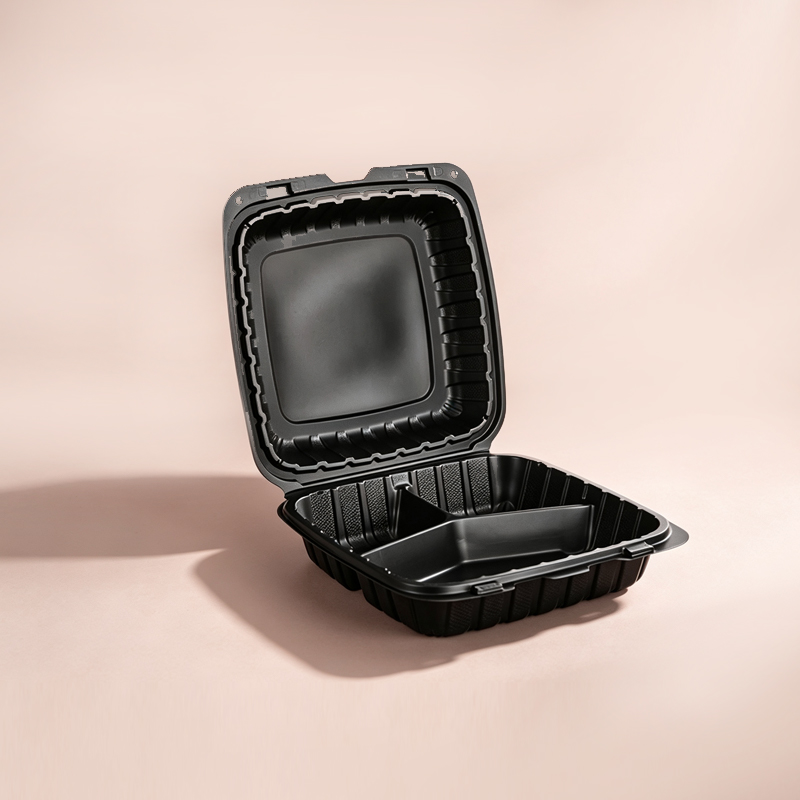 Black Hinged American-Style Lunch BoxesModified MFPP one-piece hinged lunch boxes in several inch sizes, with wider buckles for secure sealing and no separate lids.View Product →
None of that is exotic engineering. It is mostly a question of the buyer stating the reheating use case up front, rather than choosing on unit price alone and discovering afterwards that heat performance was the first property to be traded away.
Before the container goes in, run through five quick questions:
If any answer is uncertain, decant. That is the whole rule, and it holds whether the bag came from a casual-dining chain or a neighborhood takeaway.
If you are on the buying side rather than the reheating side, the same logic applies in reverse: tell your packaging partner what temperature the food will reach, how long it will sit under a heat lamp, and whether customers will reheat it at home. Our FAQ covers a few of the questions buyers ask most often, and a short conversation usually saves a redesign later on.
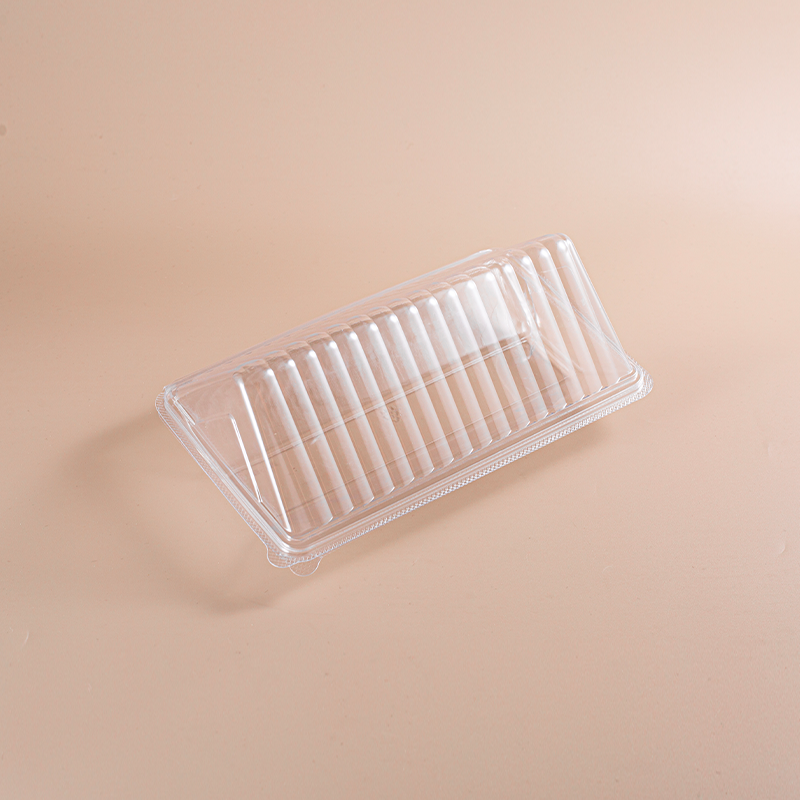
This rectangular plastic sandwich box is made from high-quality food-grade PET material, ensuring excellent food safety, freshness, and reliable perfo...
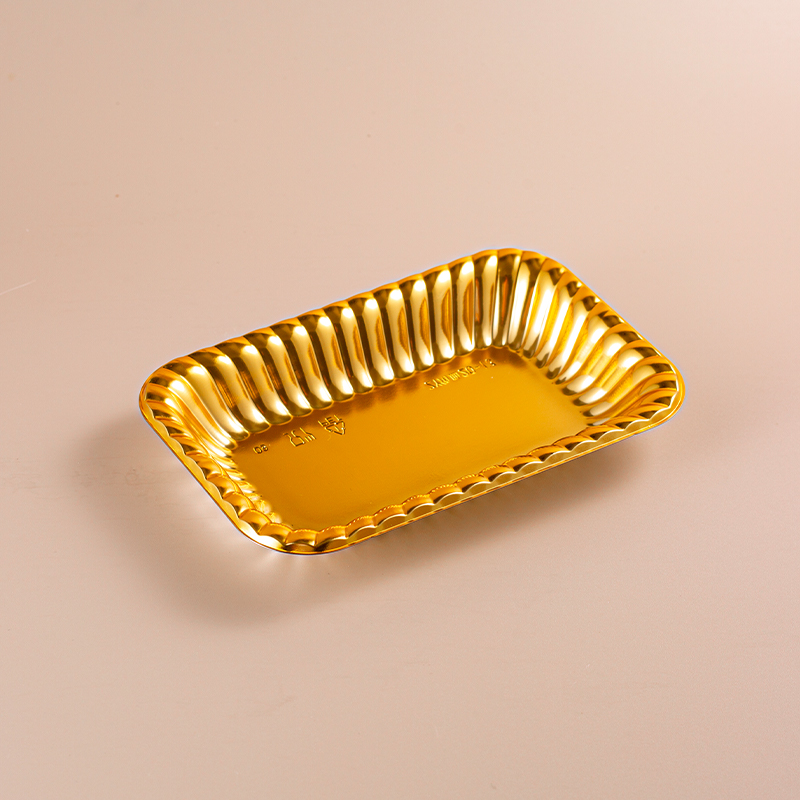
Crafted from high-quality, food-grade polypropylene (PP), our Orange Food Plastic Tray combines vibrant aesthetics with uncompromising safety and dura...
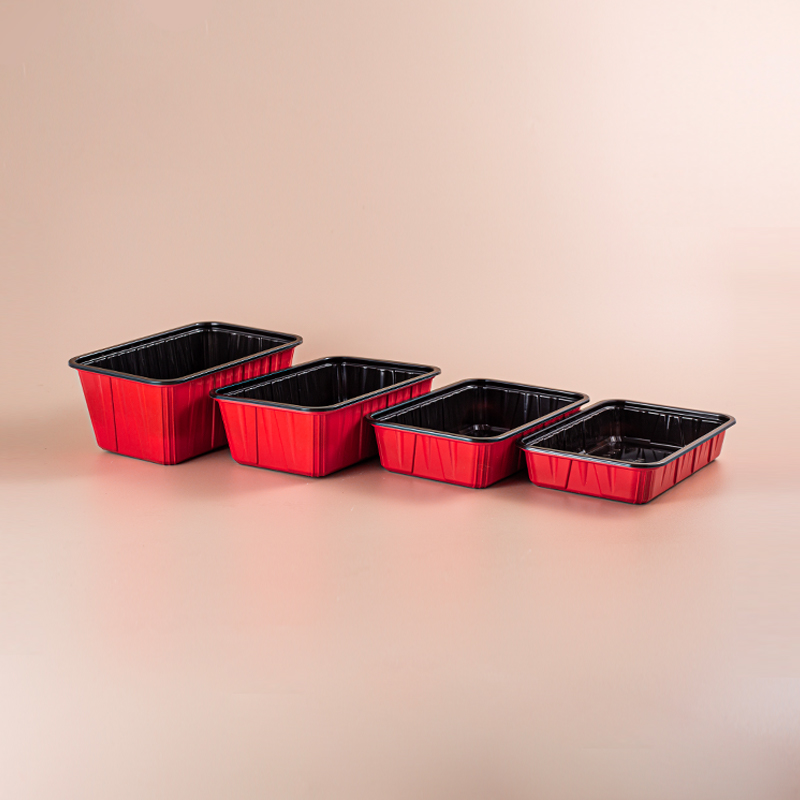
Currently, we offer 380/500/700/1000ml options.Made of compliant food-grade PP polypropylene, this product is odorless, contains no harmful additives ...

As a responsible manufacturer in the eco-friendly packaging industry, Liangwang Company is committed to the concept of green and energy-saving product...
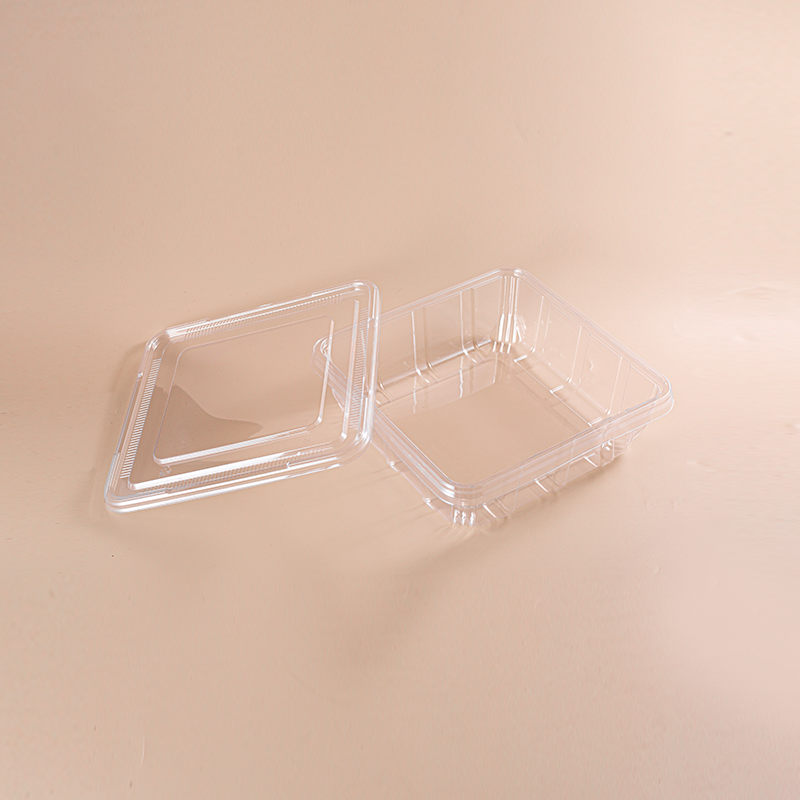
This square PET transparent food packaging box is designed with an increased height structure, making it especially suitable for packaging taller bake...
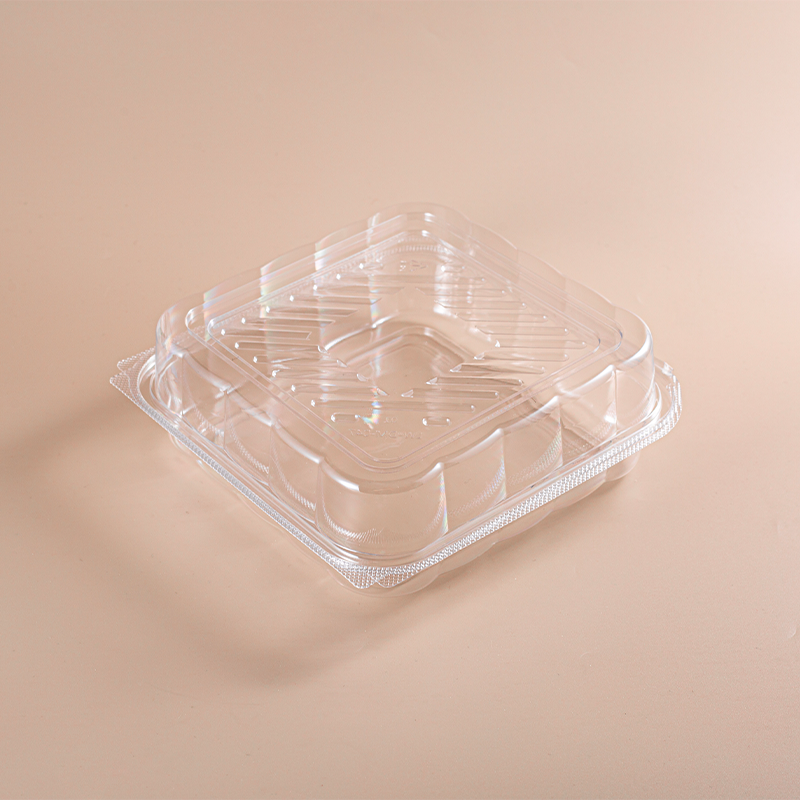
Our square baking box is designed to provide a reliable and attractive packaging solution for a wide range of baked goods. Made from premium food-grad...

This 6-compartment baking box is designed to present a variety of pastries in an organized and attractive way, allowing consumers to enjoy different f...
Disposable Food Containers Evolve to Meet the Needs of Modern Takeaway and Catering The rapid development of takeaway services, food delivery and conv...
Few objects move through a restaurant faster than a takeout container. It is filled at the pass, stacked into a bag, carried across town, and then — ...
With the rapid development of the takeout and catering industry, high-quality disposable lunch boxes have become an essential packaging product in mo...
Fresh Food Packaging Develops to Improve Protection, Presentation and Shelf Life Fresh food products require packaging that can provide protection thr...
Ask a room full of cafe owners whether they prefer a styrofoam cup or a paper cup, and you will usually get a confident answer before anyone has pour...