News

Home / News / Industry news / How Can Fresh Food Packaging Improve Product Protection and Retail Efficiency?
How Can Fresh Food Packaging Improve Product Protection and Retail Efficiency?


Jiangsu Liangwang Technology
Co., Ltd.


Your One-Stop Green Food Packaging Expert

Fresh Food Packaging Develops to Improve Protection, Presentation and Shelf Life

Fresh food products require packaging that can provide protection throughout processing, transportation, storage and retail display. Meat, vegetables, fruits, seafood and frozen foods all have different characteristics, which means packaging design must be adapted to specific product requirements.

The development of fresh food packaging is therefore becoming increasingly important as supermarkets, food processors and fresh-food retailers look for solutions that combine product protection, presentation and operational efficiency.

Fresh Products Require Specialized Packaging

Unlike dry packaged goods, fresh food can be affected by moisture, temperature, oxygen and physical impact. Packaging must therefore provide an appropriate protective environment while allowing retailers to display products clearly.

Fresh meat may require packaging with strong structural support and suitable sealing characteristics. Fruits and vegetables may require packaging that helps protect delicate products during transportation. Seafood and frozen foods have their own temperature and moisture-related requirements.

A standardized packaging solution cannot always address these differences effectively, which is why specialized fresh food trays are becoming more widely used.

Multiple Fresh Food Tray Solutions

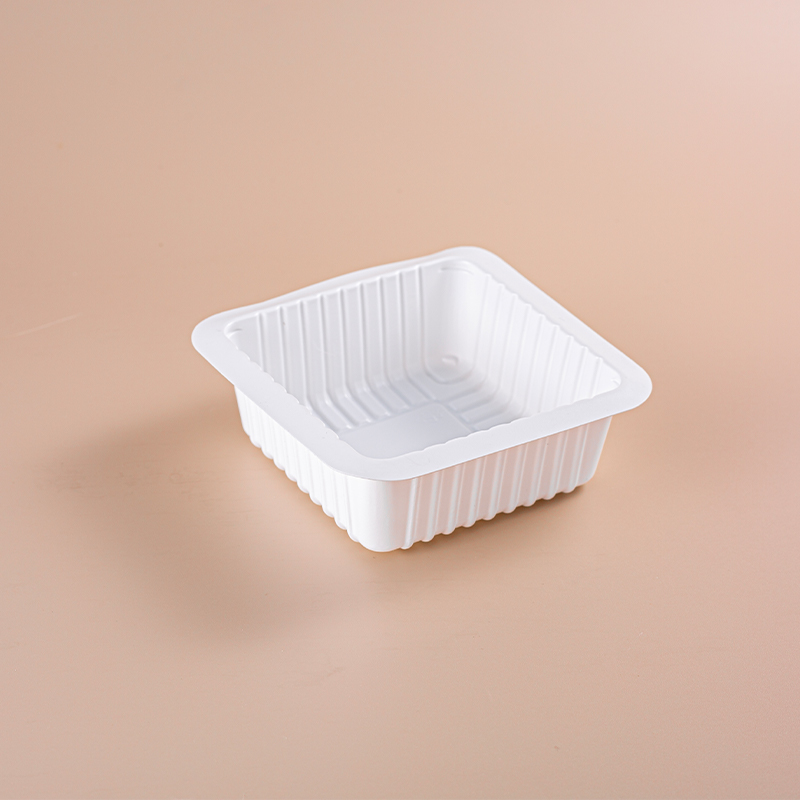
Jiangsu Liangwang Technology Co., Ltd. offers fresh food trays designed for raw meat, fruits, vegetables, aquatic products and frozen ingredients.

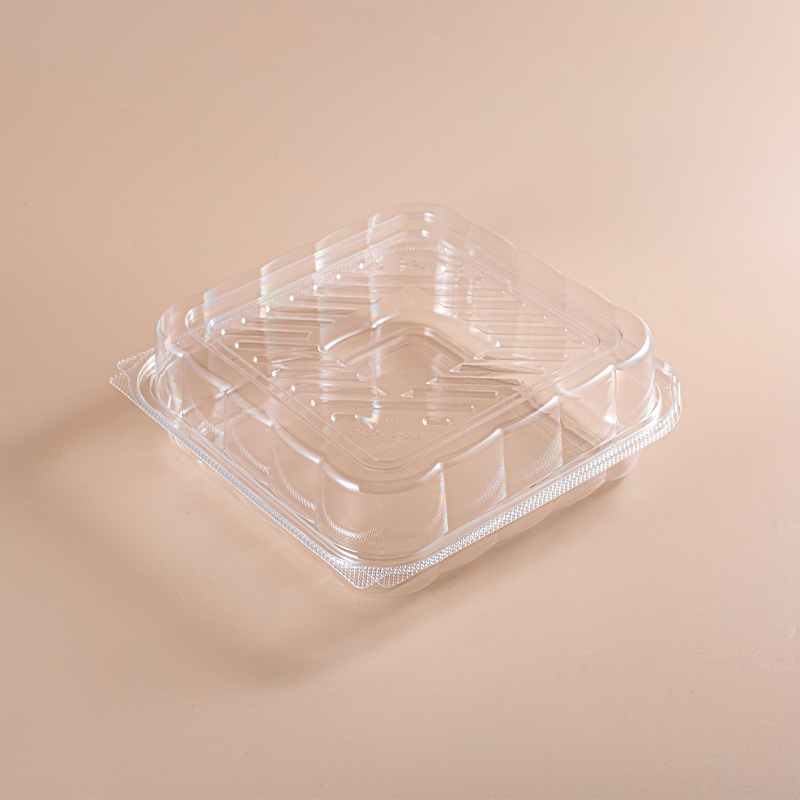
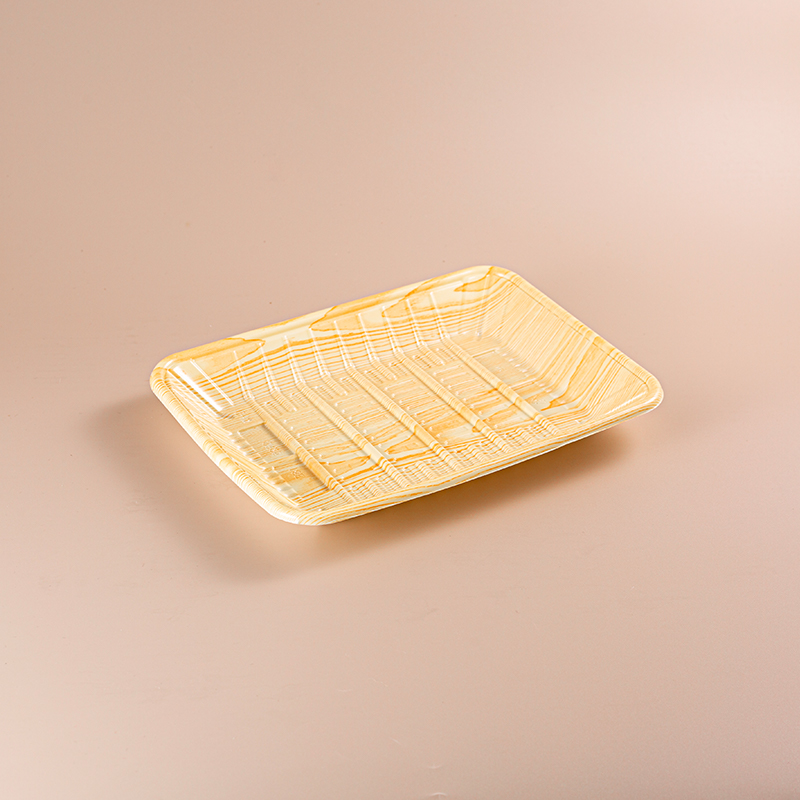
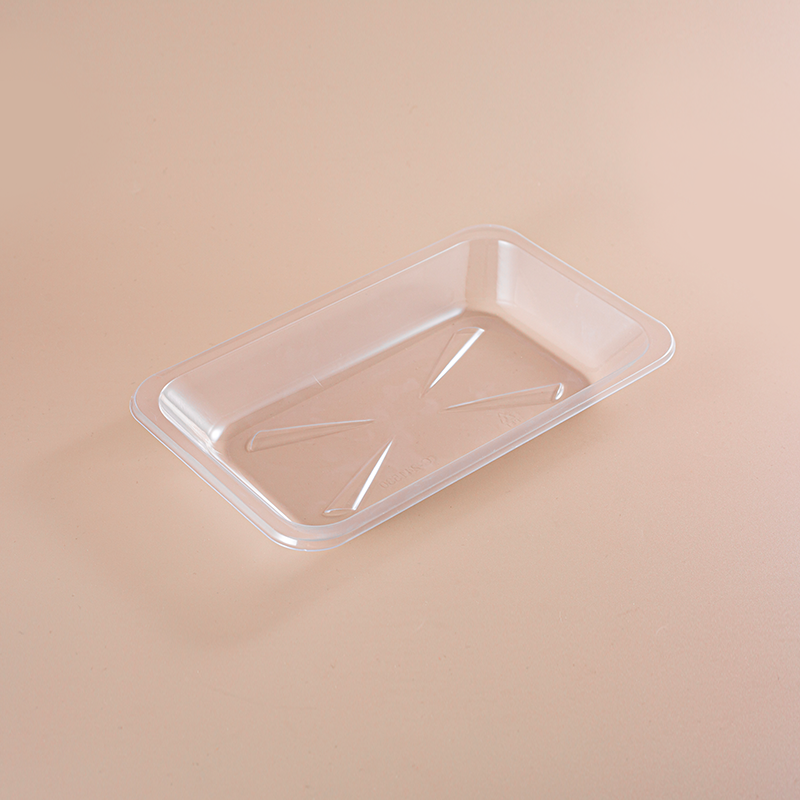
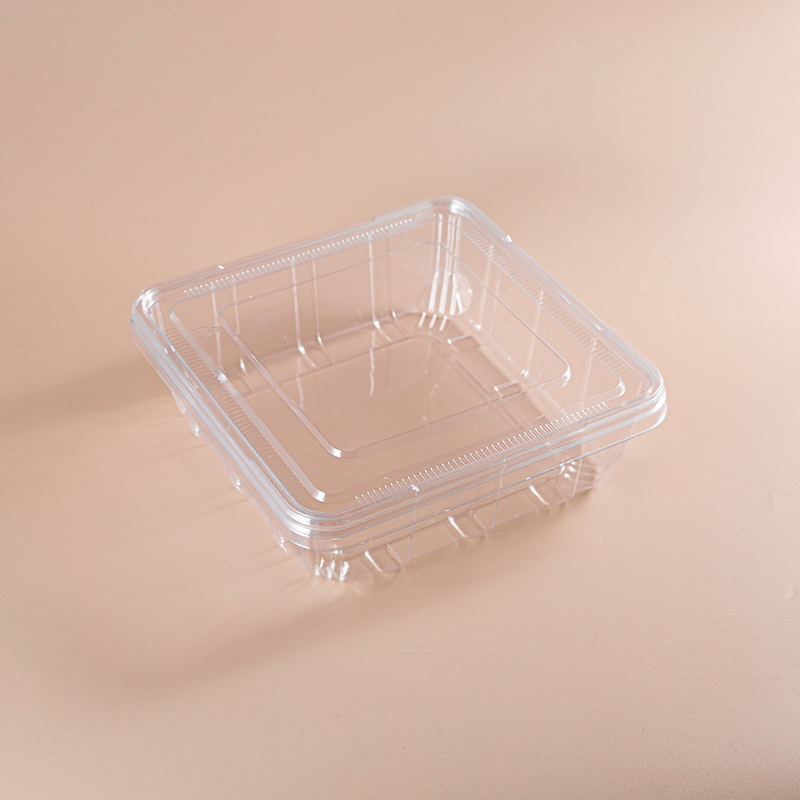
Its product range includes body and fit fresh food trays, modified atmosphere fresh food trays, wood grain fresh food trays and frozen fresh food trays. This product structure reflects the different packaging requirements found across the fresh-food supply chain.

For food processors and retailers, choosing the correct tray structure can help improve product presentation while providing the physical support required during transportation and storage.

Packaging Also Influences Product Presentation

Packaging is not only a protective layer. In supermarkets and fresh-food retail environments, it also affects how consumers perceive products.

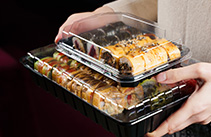
Clear or appropriately designed packaging can make food easier to view, while a stable tray can help maintain a neat product arrangement. Consistent packaging dimensions can also improve shelf organization and logistics efficiency.

For retailers handling large volumes of fresh food, these factors can influence both operational efficiency and the overall shopping experience.

Modified Atmosphere Packaging Supports Fresh Food Applications

Modified atmosphere packaging is one of the technologies used in fresh-food applications to create a controlled packaging environment. By managing the atmosphere around certain food products, the packaging system can support freshness management and help maintain product quality during distribution.

However, the effectiveness of any packaging system depends on the food product, material structure, sealing process, storage temperature and other factors. Packaging manufacturers therefore need to consider the complete application rather than focusing on a single packaging component.

Manufacturing Quality Supports Reliable Fresh Food Packaging

Consistent manufacturing is particularly important for fresh food trays because differences in dimensions, thickness or structural quality can affect downstream packaging processes.

Liangwang Technology has established a modern manufacturing base and uses German ILLIG fully automatic equipment. The company states that its planned annual production capacity reaches 20,000 tons, providing production support for large-volume packaging requirements.

Its R&D team also provides customized solutions from mold making and sampling to different material and structural requirements, allowing packaging to be adapted to specific applications.

The Future of Fresh Food Packaging

Fresh food packaging is developing alongside changes in retail, food processing and consumer purchasing habits. Demand for convenient, hygienic and visually appealing fresh food continues to encourage innovation in packaging materials and structures.

At the same time, sustainability is becoming a more important consideration. Manufacturers are exploring ways to optimize material usage and develop packaging solutions that balance performance with environmental objectives.

For food processors, supermarkets and fresh-food suppliers, working with an experienced food packaging manufacturer can provide access to specialized trays, customized structures and scalable production capabilities.

As the fresh-food industry continues to evolve, packaging will remain an important link between food production and consumers, supporting protection, presentation, logistics and overall product quality.