English
 Español
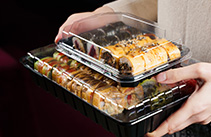
Our baking boxes are made from premium food-grade PET material, providing an eco-friendly, disposable packaging solution that combines functionality w...

Home / News / Industry news / Why Is Eco-Friendly Food Packaging Becoming More Important for the Food Industry?
Content
As food delivery, takeaway services, fresh retail and convenience food continue to develop, packaging has become an increasingly important part of the modern food industry. Businesses are looking for packaging solutions that can provide reliable protection and convenience while also responding to growing demand for more environmentally responsible products.
This trend is driving greater attention toward eco-friendly food packaging, including food containers, paper bowls, sugarcane pulp products and other packaging solutions designed for different food-service applications.
Traditional disposable packaging has played an important role in takeaway and food-service operations because it is lightweight, convenient and easy to transport. However, environmental concerns and changing consumer expectations are encouraging businesses to reconsider their packaging choices.
Modern eco-friendly packaging is increasingly expected to combine environmental considerations with practical performance. Food containers need to provide sufficient strength, sealing performance and temperature resistance while remaining suitable for transportation, storage and consumption.
For food manufacturers, restaurants, supermarkets and catering companies, this means that packaging selection is no longer based only on price and appearance. Material characteristics, product safety, functionality and environmental performance are becoming important factors in purchasing decisions.
There is no single material suitable for every food packaging application. Different food products require different levels of rigidity, moisture resistance, temperature resistance and protection.
Paper products, PLA, plant-fiber materials and sugarcane pulp are among the material options being considered for more sustainable packaging applications. Sugarcane pulp packaging, for example, can be used for bowls, plates, burger boxes and other food containers.
At the same time, food-grade plastic materials remain important for applications where transparency, structural stability, sealing performance or specific barrier properties are required. The key development direction is therefore not simply replacing one material with another, but selecting the most suitable material for each application.
For commercial food packaging, environmental characteristics cannot replace basic functionality. A container still needs to protect food throughout transportation and storage.
Leak resistance is particularly important for takeaway meals, soups, sauces and prepared foods. Structural strength is also essential because packaging may experience stacking, transportation and temperature changes before reaching the consumer.
This is why manufacturers are increasingly focusing on material development, structural design and production technology. Better packaging design can help reduce unnecessary material use while maintaining the required performance.
Manufacturing technology is another important factor in the development of modern food packaging. Jiangsu Liangwang Technology Co., Ltd. integrates design, research and development, manufacturing and sales, with a modern manufacturing base in China.
The company reports that its production facilities include a Class 100,000 GMP purification workshop and German ILLIG fully automatic equipment. Its planned annual production capacity reaches 20,000 tons, supporting standardized and large-scale packaging production.
Such manufacturing capabilities are particularly important for international customers that require stable product quality, consistent specifications and reliable delivery.
Different food businesses have different packaging requirements. A bakery may require packaging designed to display cakes and pastries, while a takeaway restaurant may prioritize leak resistance and portability.
For this reason, customized packaging has become increasingly important. Packaging manufacturers can adjust dimensions, structures, materials and product designs according to specific customer requirements.
With OEM and ODM capabilities, manufacturers can provide solutions ranging from mold development and sampling to mass production. This approach allows food companies to develop packaging that better matches their products and brand positioning.
The development of food packaging is moving toward a combination of sustainability, functionality, customization and intelligent manufacturing. Businesses increasingly need packaging solutions that can meet both operational requirements and changing environmental expectations.
As food delivery, fresh retail and convenience food markets continue to expand, demand for innovative packaging is expected to remain strong. Manufacturers with diversified material options, advanced production capabilities and customization services will be better positioned to respond to these changing requirements.
For food businesses seeking reliable packaging solutions, choosing an experienced food packaging manufacturer can provide access to different product categories and customized packaging solutions while supporting long-term supply requirements.
Our baking boxes are made from premium food-grade PET material, providing an eco-friendly, disposable packaging solution that combines functionality w...
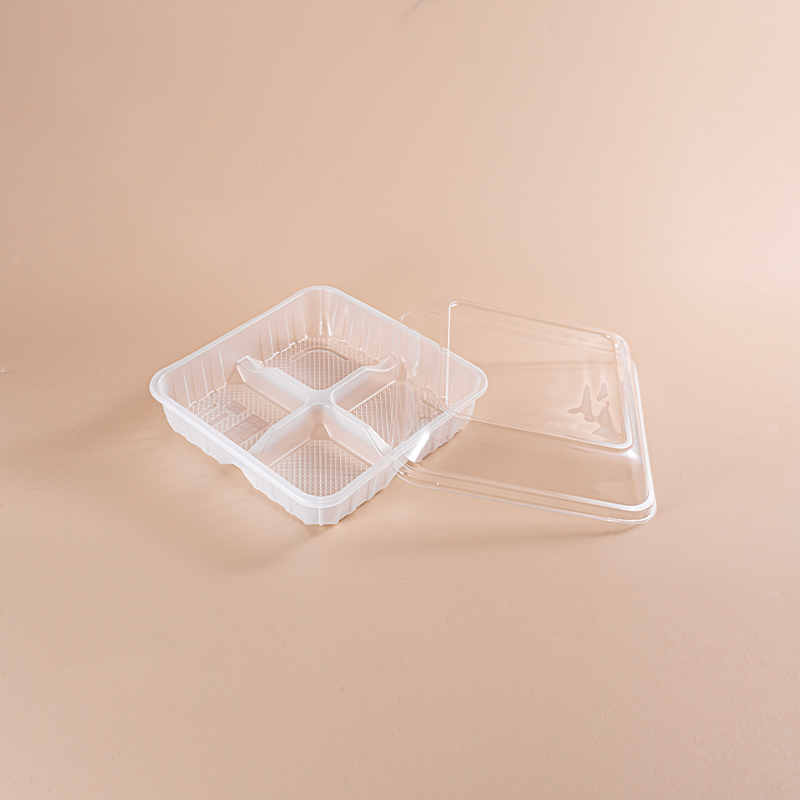
This 4-compartment dessert packaging box is specially designed for small-sized pastries and mini desserts. Compared with standard egg tart trays, each...
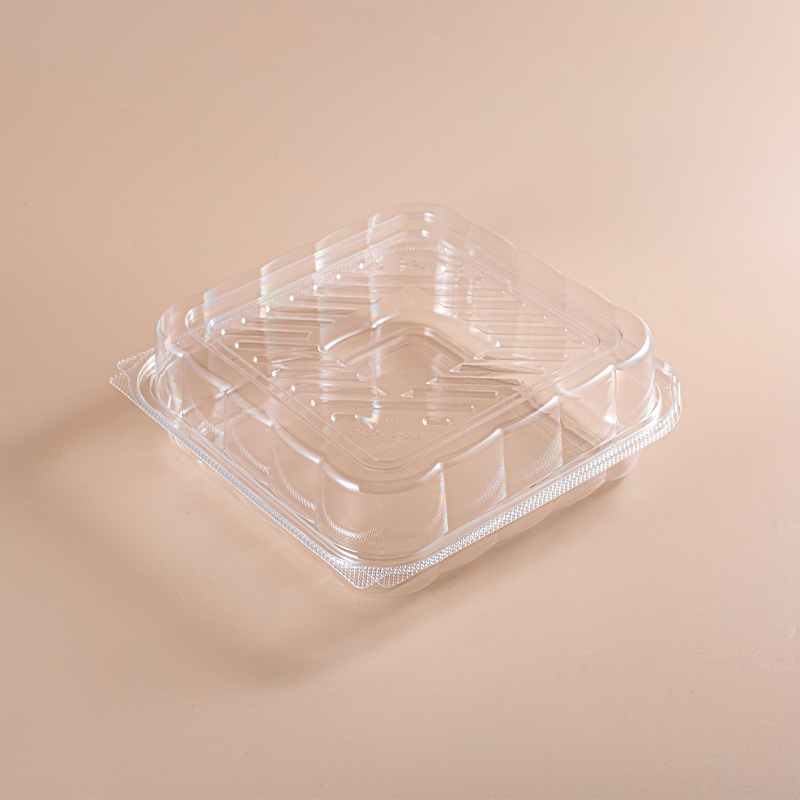
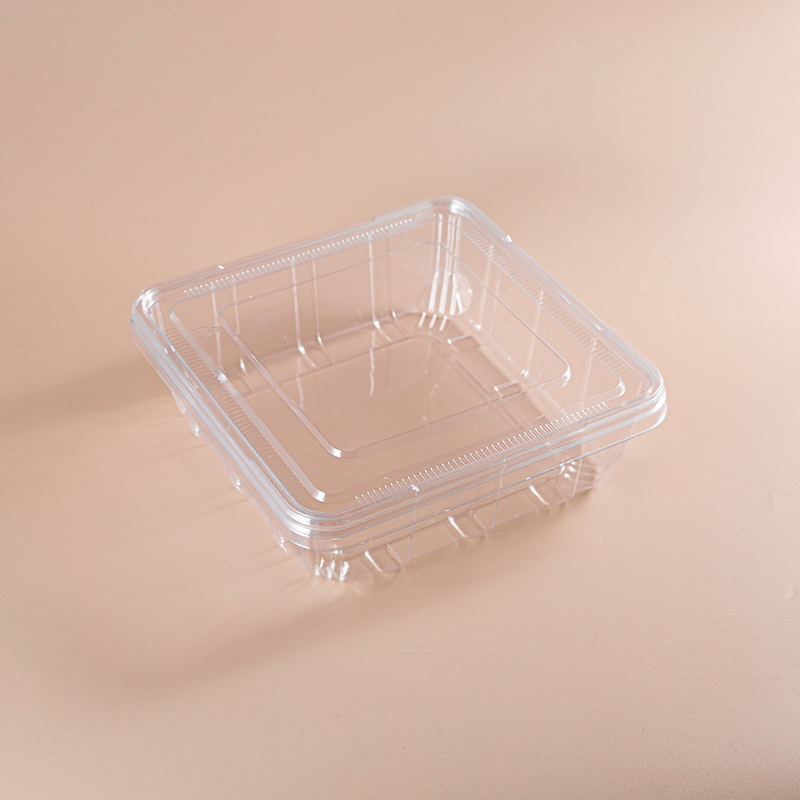
Our square baking box is designed to provide a reliable and attractive packaging solution for a wide range of baked goods. Made from premium food-grad...
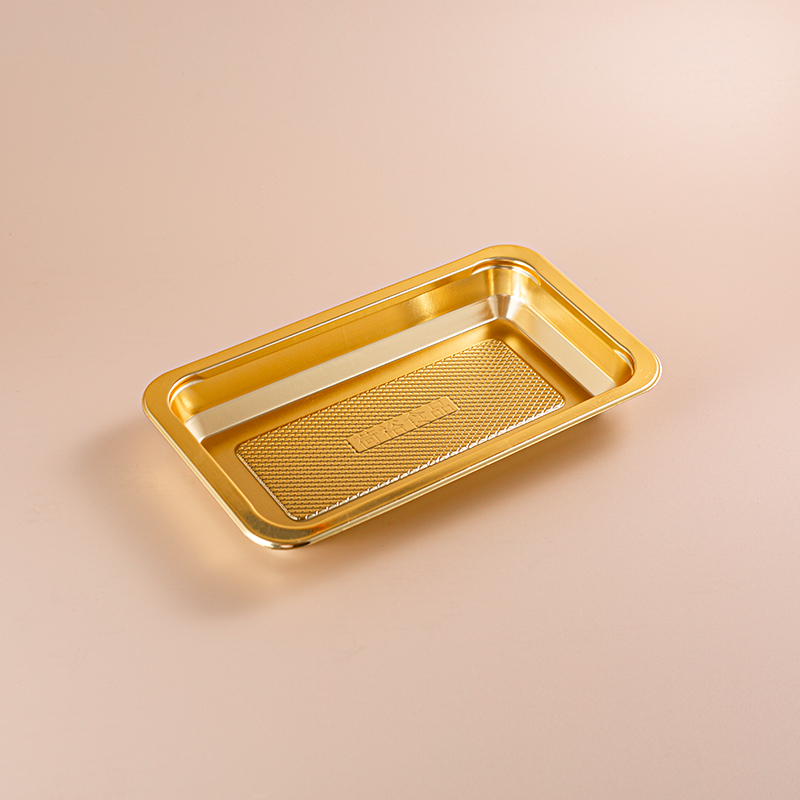
PP rectangular food trays are a practical packaging solution for supermarkets, restaurants, and fresh food stores looking to protect perishable produc...
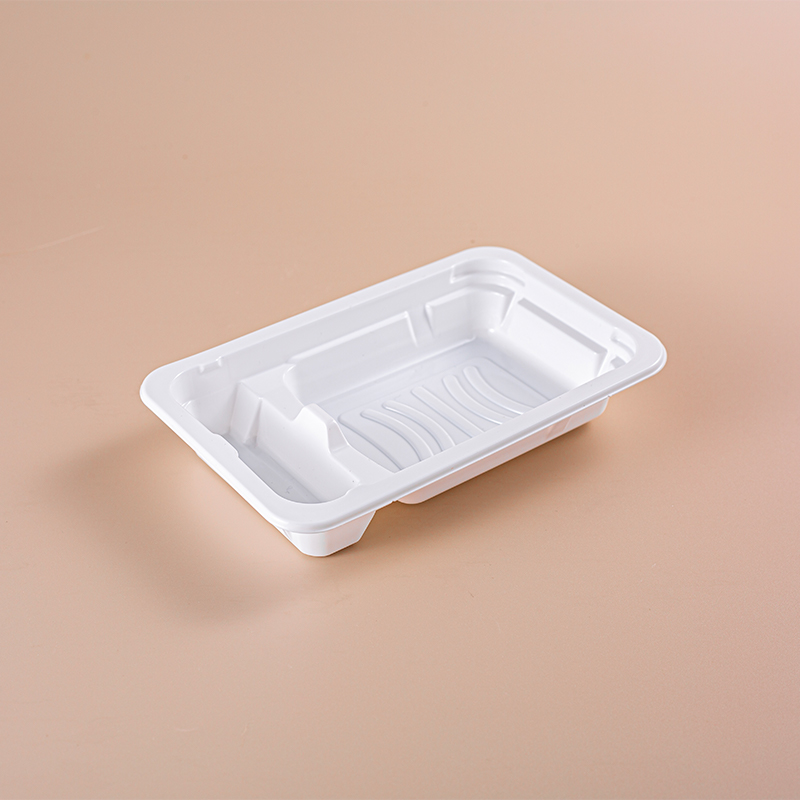
We designed this tray specifically for fish like salmon and tuna. It’s made from food‑grade PP material that’s safe for direct contact with seafood, a...
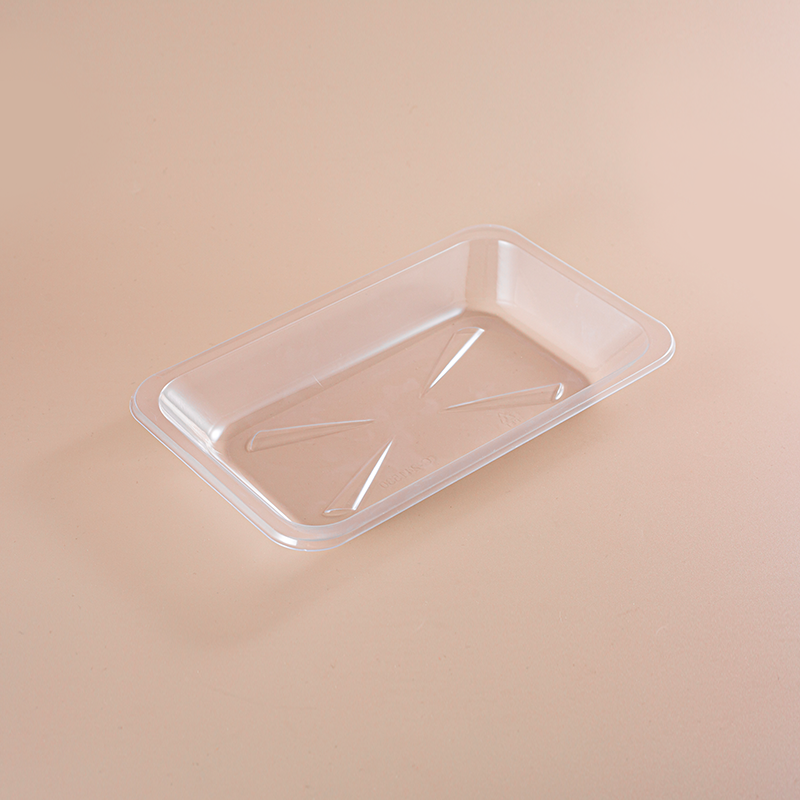
This integrated large-capacity PP tray is designed with a stable and durable structure, offering versatile functionality for a wide range of food pack...
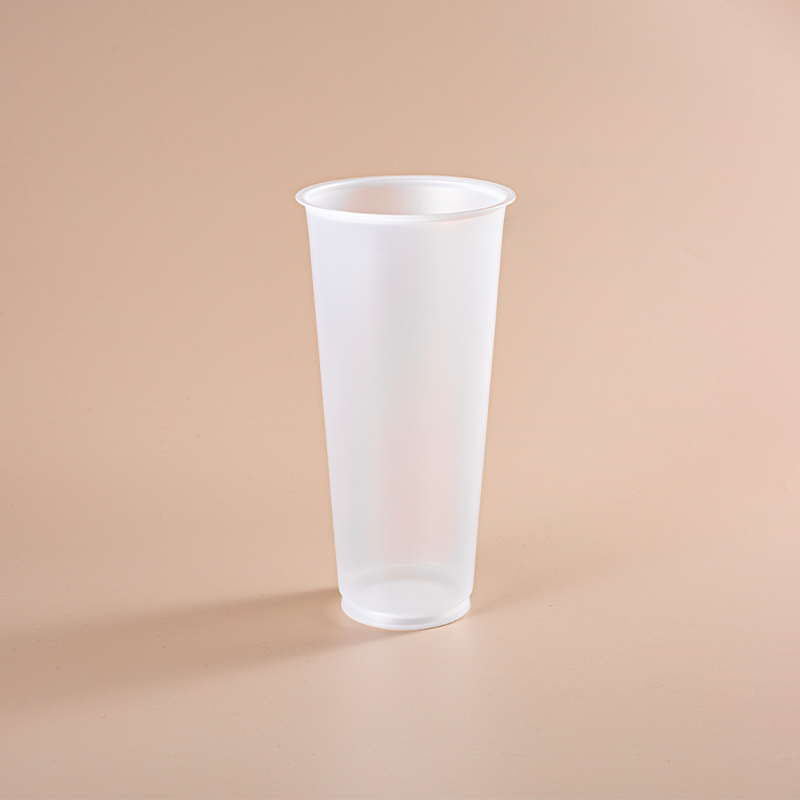
Our company produce various specifications of PP cups, PP cups are more solid and have smooth rims,They feel very solid when held in the hand. As one ...