English
 Español

It is waterproof and oil-proof, and the sturdy thickened bowl body with curled rim design is made of 100% recyclable paper material. The model with PL...

Home / News / Industry news / Soup Take Out Containers: A Practical Buyer's Guide to Leak-Proof, Hot-Holding Picks
Content
Anyone who has packed a hot lunch knows the moment: the lid clicks shut, the bag goes quiet for a second, and then there is that soft slosh against the side. Soup is the item that makes even experienced kitchen teams slow down, because it behaves like nothing else on the menu. It is heavy, it moves, it releases steam, and it finds every weak point in a lid within about four minutes.
We hear the same question from restaurant owners, central kitchens and small soup brands, just phrased differently: which container will actually hold this without turning the delivery bag into a puddle? What follows is the practical version of that answer, drawn from how different soup take out containers behave once they are filled, sealed and carried across town.
Before comparing container styles, it helps to name the forces working against them. A soup container is not simply holding liquid; it is holding liquid at 80°C or more, inside a vessel that will be tilted, stacked and possibly dropped.
A container that ignores any one of these will fail on a busy Friday rather than during a quiet Tuesday afternoon test.
Most foodservice operations end up choosing between five container families. Each has a place, and choosing badly usually shows up as a complaint rather than a leak you can see in the kitchen.
| PP round soup bowl with lid | Broths, ramen, congee, stews | Handles hot fills well and keeps its shape when stacked | Wide rim plus snap lid; inspect the seal line before dispatch |
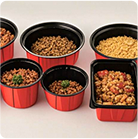
| Paper bowl with lid | Chowder, thick soups, catering portions | Good short-term heat tolerance; needs a firm, flat base | Coated board resists soak-through, lid fit is the deciding factor |
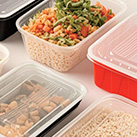
| Microwavable PP square box | Soup-and-rice combos, bento sets | Even heating, no warping in the microwave | Hinged or snap lid; corners carry a slightly higher leak risk |
| Clear PET cup or tub | Cold soups, gazpacho, dessert soups | Not intended for hot fills, softens quickly above moderate temperatures | Tight seal works very well with cold liquids |
| Deli or clamshell container | Thick stews, sides, meal-prep portions | Economical and stackable, moderate heat tolerance | Hinged lids tend to seep in transit; best for short local runs |
Polypropylene tolerates hot fills and microwave reheating, which is why it dominates hot soup packaging. It also holds up to the slight flexing that happens when a bag is carried by one handle. Thicker walls cost a little more but reduce the "soft lid" feeling that makes customers nervous.
Paper bowls suit chowders, bisques and catering work where the customer expects a more natural look. The deciding detail is the coating: without a proper barrier, a paper bowl starts to soften from the inside out over a thirty-minute delivery window.
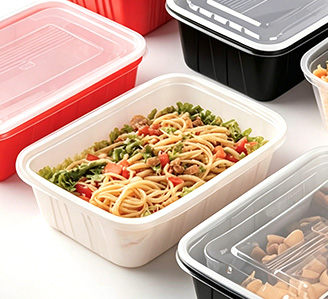 Paper Bowls and Clear Salad Bowl OptionsCompare paper bowls with PET clear salad bowls and PLA alternatives for chowders, chilled soups and dessert presentations where coating and material matter.View Product →
Clear PET gives beautiful presentation for chilled soups and dessert soups, and PLA offers a plant-based option for cold or warm-but-not-hot items. Both are poor choices for broth straight off the stove; the material softens, the rim distorts and the lid no longer grips the way it did in the kitchen.
Two containers made from the same material can perform completely differently depending on how the lid is engineered. When we evaluate a soup container, we look at these points first:
A useful in-house test is simple: fill to the line, seal, tilt, shake gently, then leave it on a counter for twenty minutes and check underneath. If a container survives that, it will usually survive a scooter ride.
Customers increasingly ask whether they can microwave the container. With PP the answer is generally yes, provided the lid is vented or removed. With PET, paper laminates and some PLA grades, the honest answer is no, and staff should say so clearly rather than let someone discover it at home.
Eco-Friendly Food Packaging and Material ChoicesReview PP, PET, paper and PLA container options, keeping microwave suitability and material choices in mind for takeout and foodservice menus.View Product →
On the environmental side, the real gains come from using less material per portion without weakening the seal, and from choosing mono-material designs that recyclers can actually process. A container that leaks and gets thrown away half full has a worse footprint than a slightly heavier one that arrives intact.
Portion size drives most of the decision, but shape affects how soup behaves in transit. Taller, narrower containers are easier to carry but amplify sloshing; wider, shallower bowls are more stable but take up more bag space.
It also pays to standardise lids across a size range. Fewer SKUs behind the counter means fewer mismatched lids at 8pm, which is where most leaks begin.
Volume buyers usually need more than a catalogue item: a specific diameter to fit existing cup holders, a wall thickness that matches a filling line, or a lid colour that matches a brand. Our team handles those adjustments through tooling and sampling, and the ODM and OEM cooperation page outlines how custom shapes, capacities and material selections are developed from a brief rather than a stock list.
Food safety documentation matters just as much as the container itself. Production takes place in a Class 100,000 GMP cleanroom supported by an in-house laboratory, with management systems covering ISO9001, ISO14001, ISO45001, ISO22000 and BRC Grade A. If you would like to compare samples against your current packaging or discuss a trial order, the contact page is the fastest way to reach the team.
Soup punishes small compromises. A rim that is a millimetre too narrow, a lid that needs two hands, a wall that softens at 85°C — none of these look serious on a spec sheet, and all of them show up as a stained bag and a refunded order. Choose the container that matches how your soup is actually cooked, filled and delivered, and the rest of the packaging decisions get much easier.
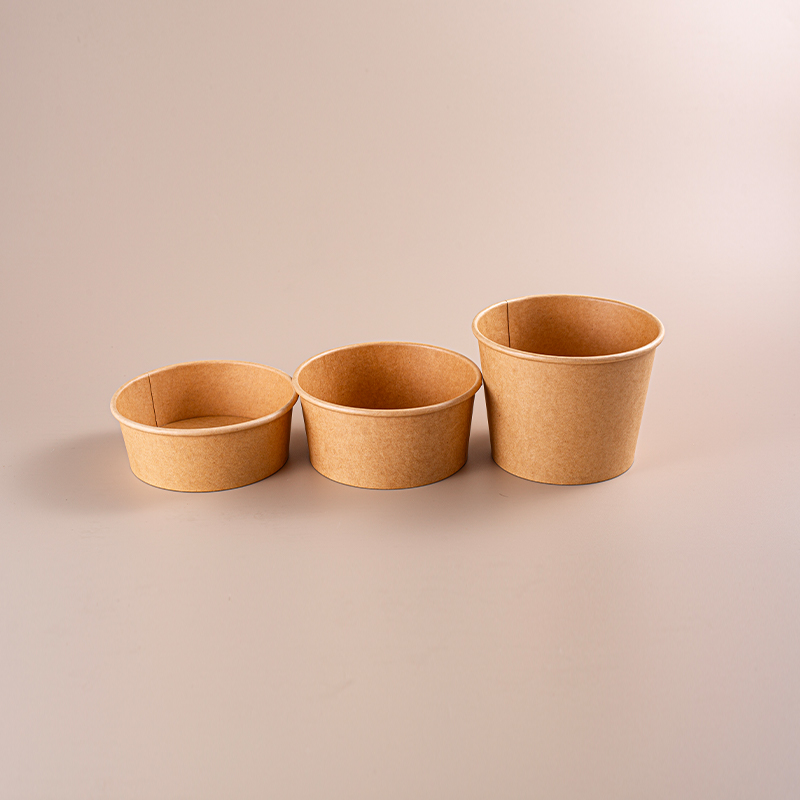
It is waterproof and oil-proof, and the sturdy thickened bowl body with curled rim design is made of 100% recyclable paper material. The model with PL...
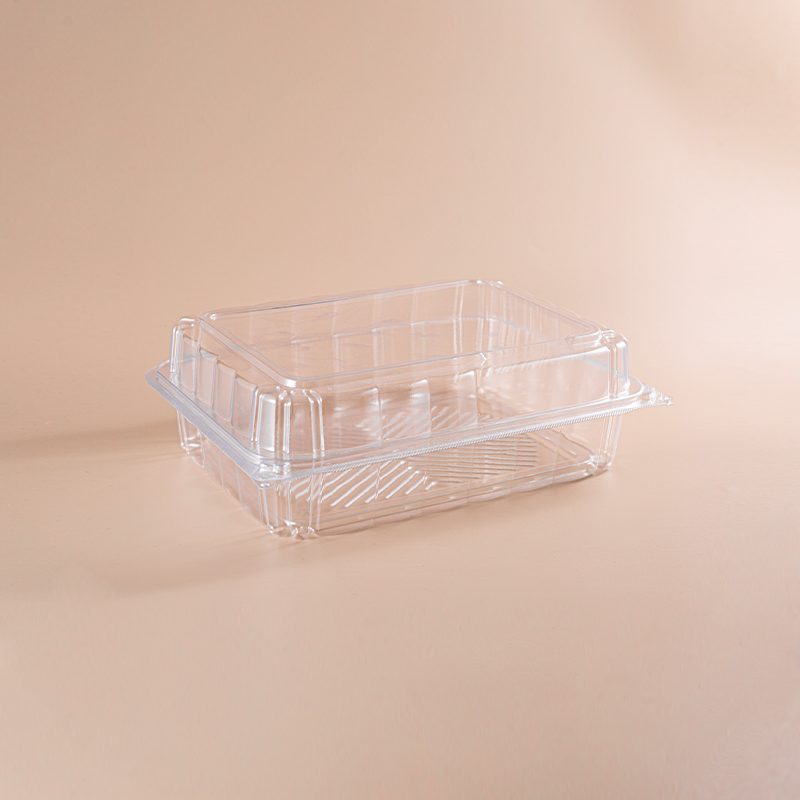
This disposable PET plastic box is designed to provide a practical and attractive packaging solution for modern food storage, display, and takeaway ap...
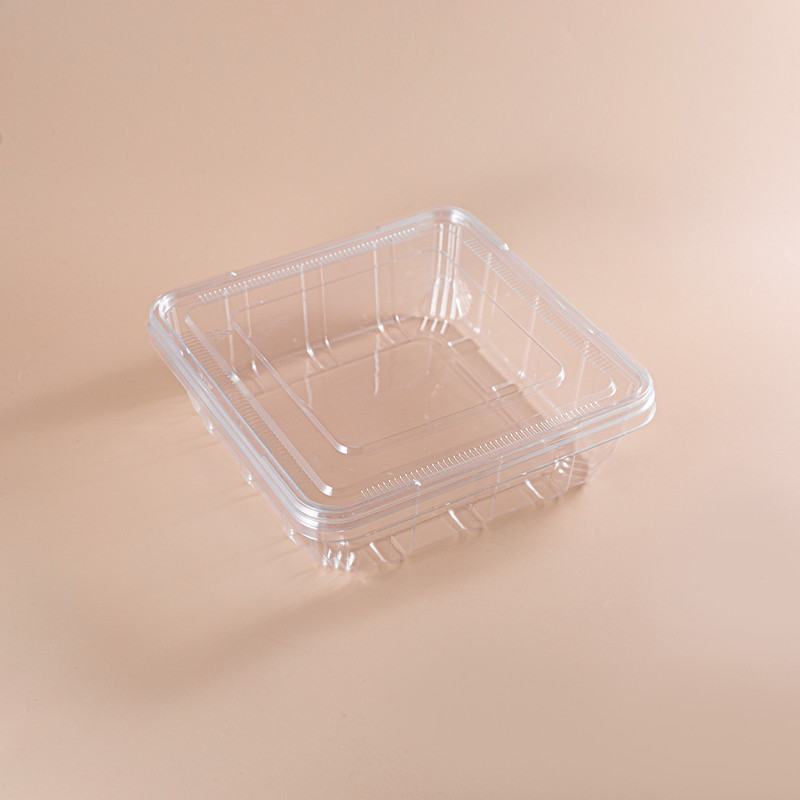
As a responsible manufacturer in the eco-friendly packaging industry, Liangwang Company is committed to the concept of green and energy-saving product...
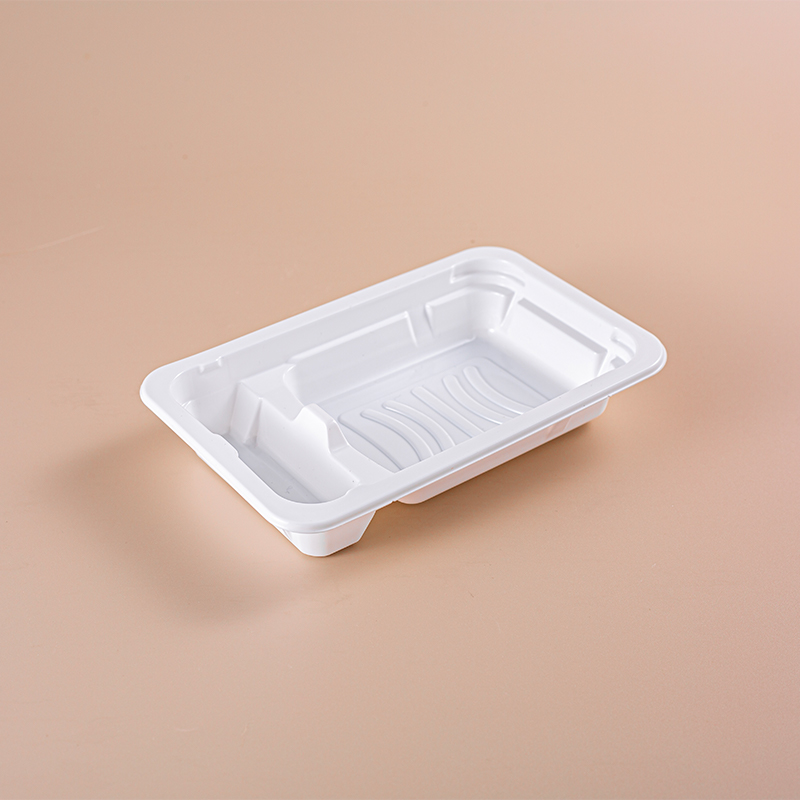
We designed this tray specifically for fish like salmon and tuna. It’s made from food‑grade PP material that’s safe for direct contact with seafood, a...
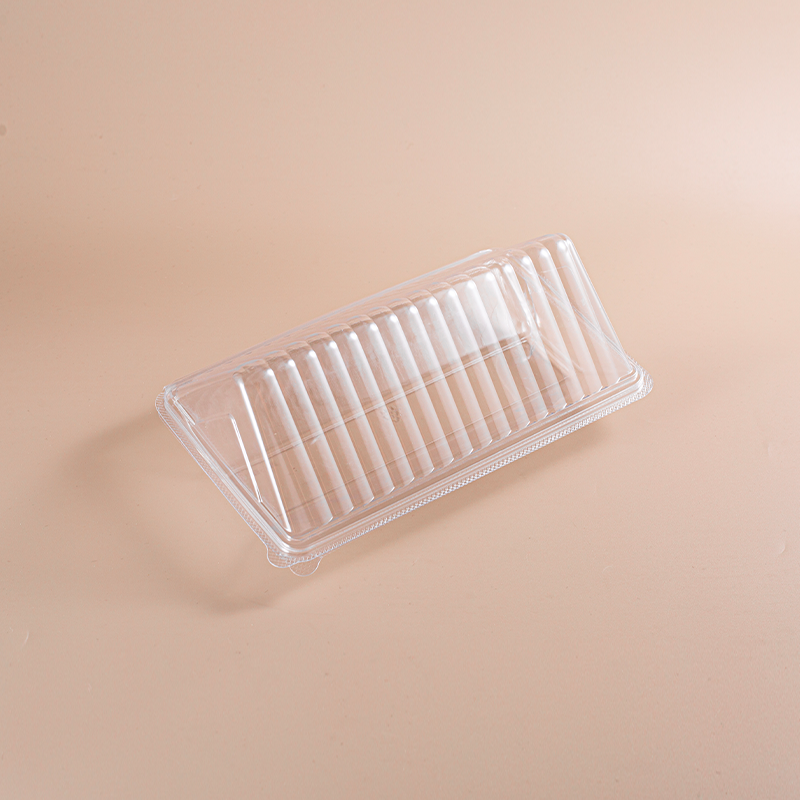
This rectangular plastic sandwich box is made from high-quality food-grade PET material, ensuring excellent food safety, freshness, and reliable perfo...
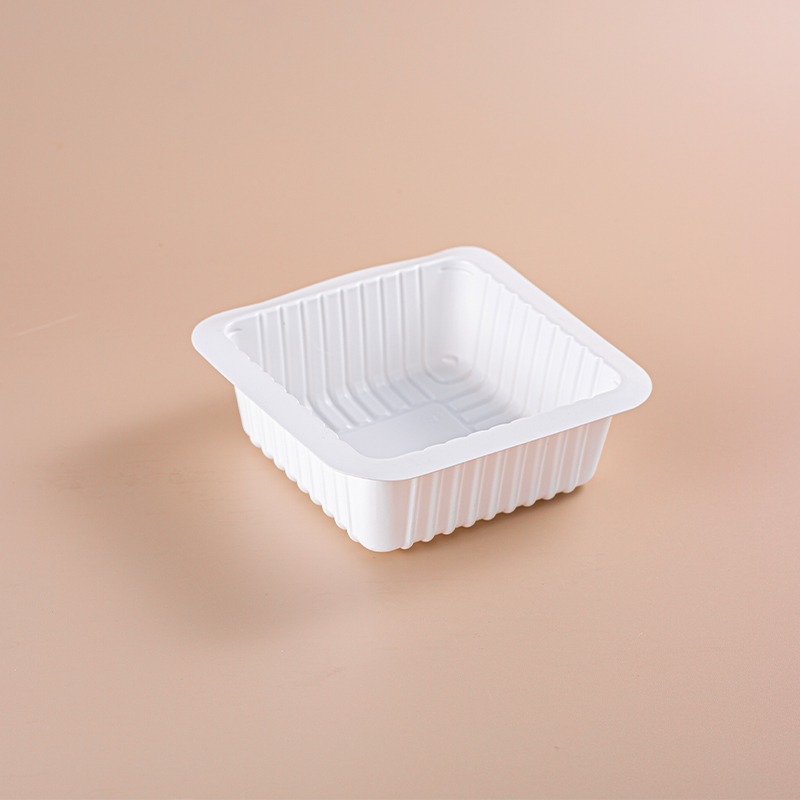
Plastic trays made from PP are visually appealing and help enhance product presentation across supermarkets, restaurants, and fresh food stores. Avail...
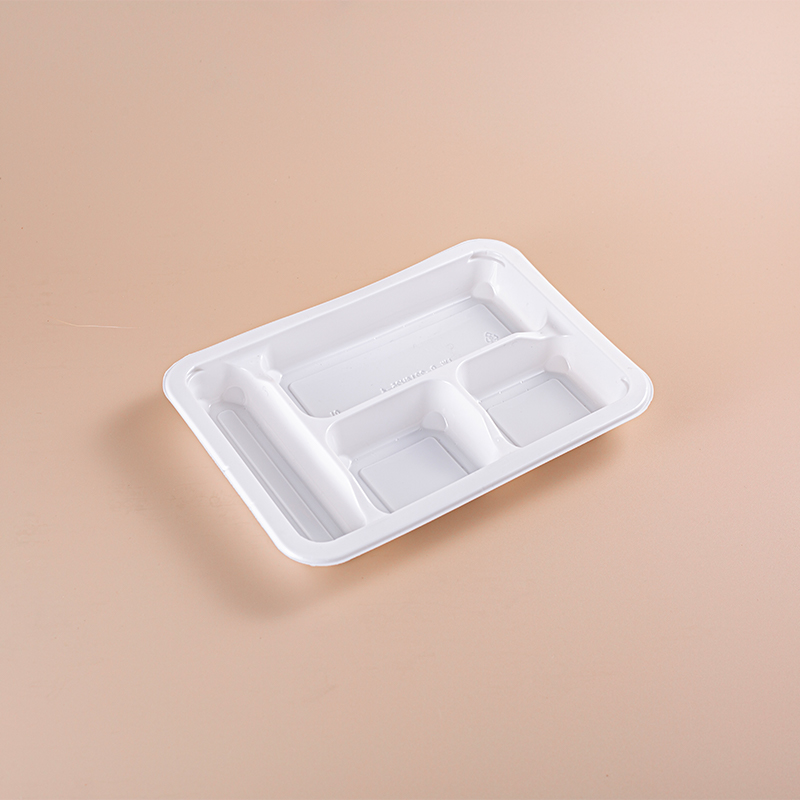
The lightweight nature of polypropylene makes these trays convenient for both customers and food service providers. Shoppers and diners can carry thei...
Sugar cane bagasse is the fibrous pulp left after sugarcane stalks are crushed for juice. Sugar mills generate it in large volumes, and for years it ...
Disposable Food Containers Evolve to Meet the Needs of Modern Takeaway and Catering The rapid development of takeaway services, food delivery and conv...
Few small pleasures beat turning last night's takeout into today's lunch, and few small frustrations beat standing in front of the microwave, contain...
If you have sourced for a medical device programme before, you will have noticed that "die cut medical materials" describes two things at once. Somet...
Few objects move through a restaurant faster than a takeout container. It is filled at the pass, stacked into a bag, carried across town, and then — ...