Industry Knowledge
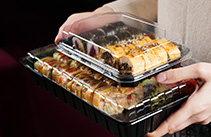
Jiangsu Liangwang Technology Co., Ltd. is one of the custom bakery disposable plastic bakery containers/boxes suppliers serving bakeries, cake shops and dessert counters, with thermoformed clear Baking Box formats for cakes, bread, pastries, egg tarts and sandwiches. Our Baking Box range sits inside the wider Baking Packaging family, alongside tamper-evident lines, and is produced in food-grade PET, PP and PLA on German ILLIG thermoforming equipment.
We work from the packed product outward: cavity count, base footprint, lid closure, venting and stacking height are fixed before tooling is cut, so the box performs on the bakery line, in the display case and in the delivery bag.
What Our Baking Box Range Covers
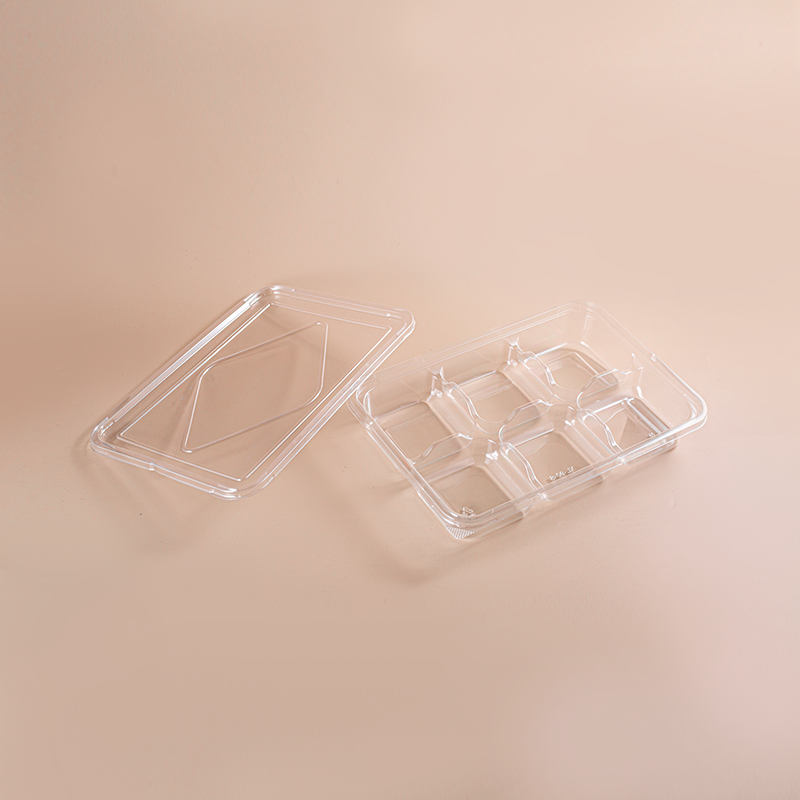
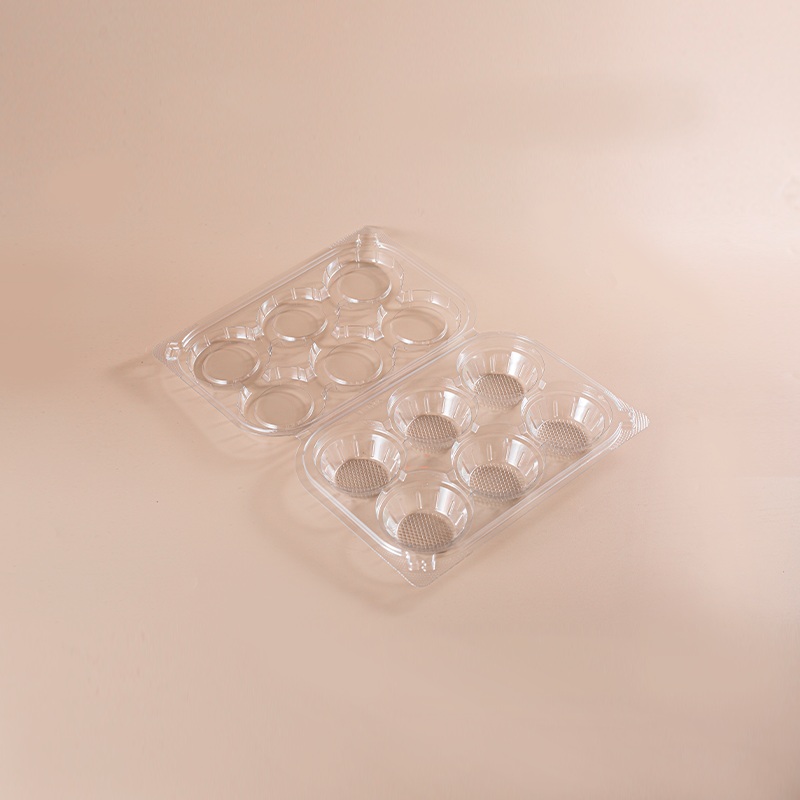
Our Baking Box catalogue contains 22 standard items spanning single-cavity clamshells, multi-compartment trays, sealed square boxes and large-capacity pastry trays. Each format is a starting point: we adjust wall thickness, ribbing, hinge geometry and lid fit to match the customer's product dimensions and packing method.
| Baking Box Format |
Typical Contents |
Material Options |
Key Configuration Points |
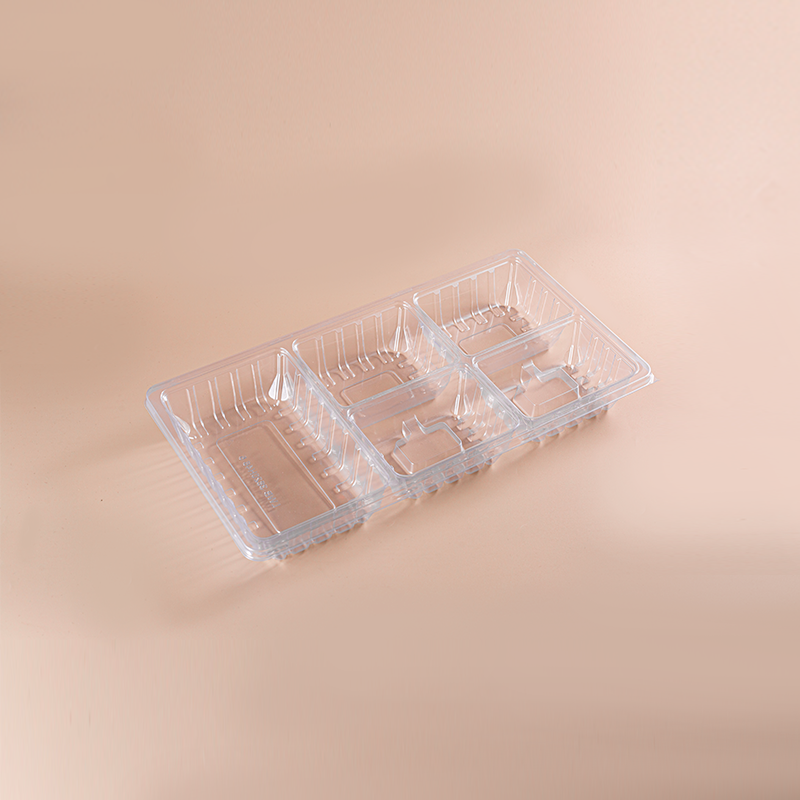
| Multi-compartment egg tart box |
Egg tarts, mochi, small pastries |
PET, PP |
4, 5, 6 or 9 cavities; cavity pitch; lid clearance |
| Clamshell bread box |
Loaves, baguettes, sliced bread |
PET, PP |
Hinge strength, snap lock, vent slots |
| Square sealed box |
Cakes, mousse, dessert portions |
PET, PP, PLA |
Lid fit, leak resistance, stack load |
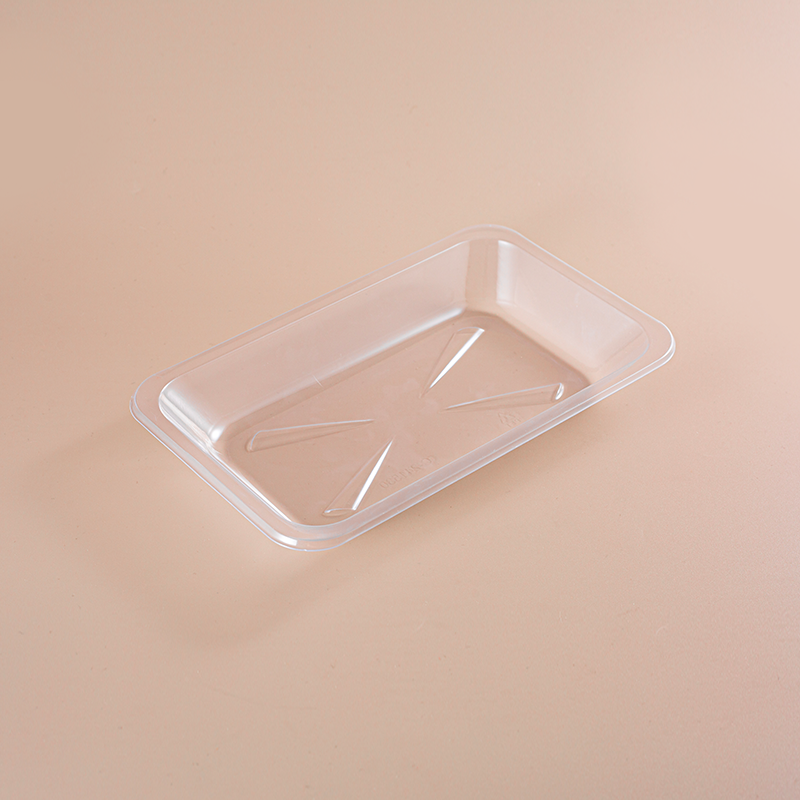
| Rectangular pastry tray |
Sliced cake, sandwich, snack sets |
PET, PP |
Compartment layout, base rigidity, nesting |
| Large-capacity one-piece tray |
Bulk pastry, catering platters |
PP |
Wall thickness, corner radius, denesting |
Material Selection for Bakery Products
Material choice follows the product's fat content, moisture, serving temperature and the retailer's packaging policy. We hold PP, PET, PS and PLA grades and confirm the grade against the intended contact conditions before sampling.
- PET — high clarity and rigidity for display-led cakes, tarts and dessert boxes where the product must be seen.
- PP — better heat tolerance and hinge toughness for warm bread, trays and applications that see freezer-to-counter movement.
- PLA and bio-based grades — for markets where single-use plastic restrictions apply and compostable labelling is required.
- Composite structures — where a clear lid and a stiffer base, or a printed sleeve and a plain tray, give the best balance of cost and presentation.
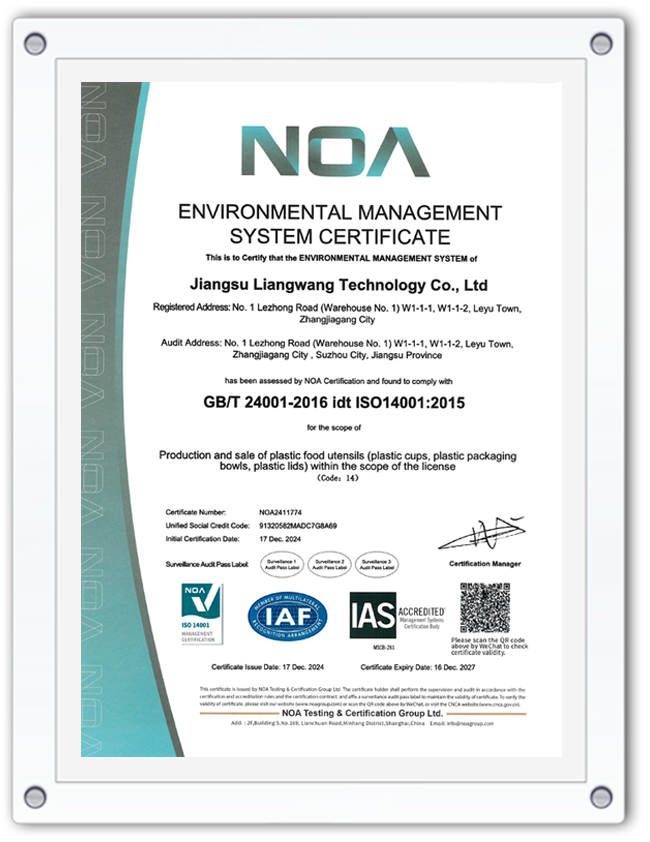
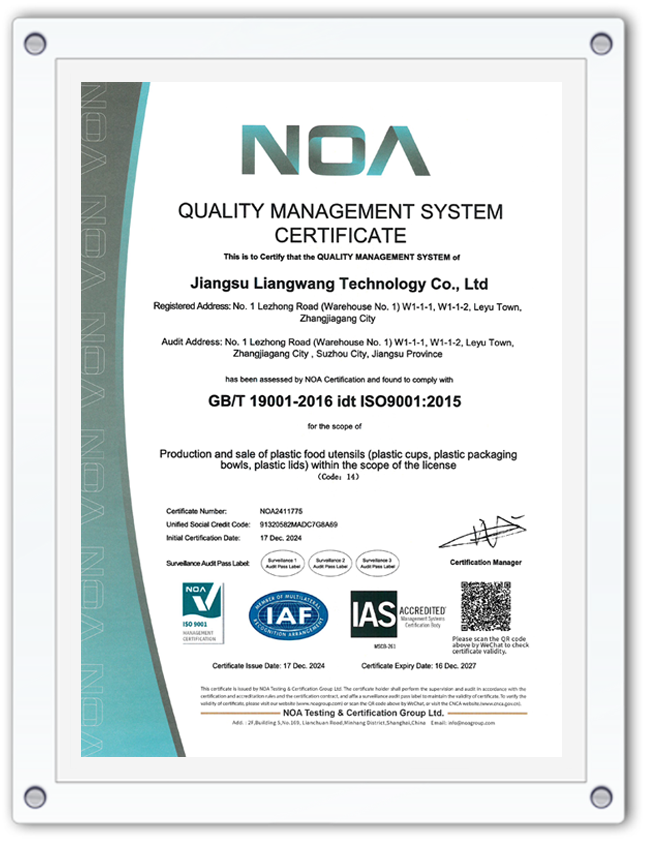
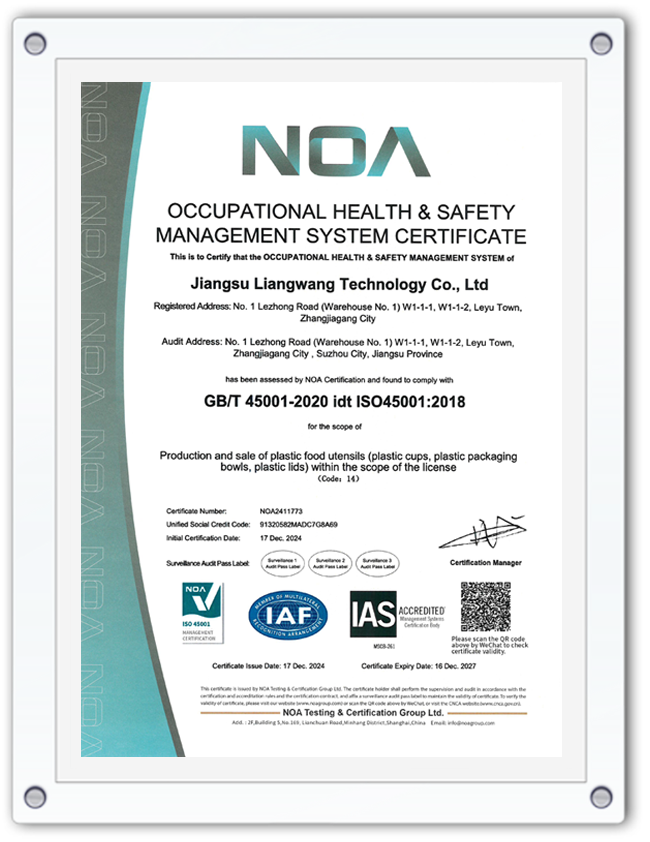
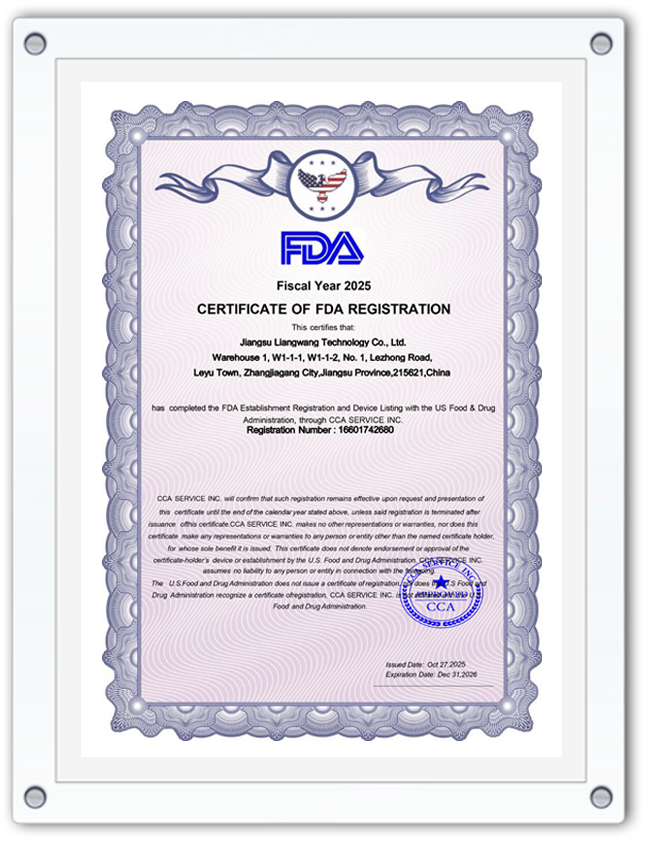
Food-contact compliance is documented per order: our management systems include ISO9001, ISO14001, ISO45001, ISO22000 and BRC Grade A, and FDA certification is held for the relevant product lines.
Critical Specifications We Fix Before Tooling
Bakery packaging fails at the point where the box meets the product and the line. These are the parameters we lock down during configuration, because changing any one of them after mould manufacture carries cost and lead time.
Dimensional Fit
Cavity diameter and depth, compartment pitch, lid-to-base clearance, overall footprint against standard crate and shelf dimensions.
Structure and Closure
Hinge life, snap-lock engagement, lid retention during transport, base ribbing for stack load, denesting force for manual or automated filling.
Optical and Surface
Transparency level, gloss or matte finish, frosted or embossed texture, print area for brand identity.
Functional Features
Ventilation holes for hot-filled bread, windows for product visibility, tamper-evident tabs, easy-peel or easy-tear openings.
Capacity, Accuracy and Production Control
Our planned annual production capacity reaches 20,000 tons, supported by a Class 100,000 GMP purification workshop and laboratory. Thermoforming runs on German ILLIG fully automatic lines, with flip-mould cup machines covering related formats. That equipment base is what allows us to hold repeatable wall thickness and consistent cavity geometry across long runs.
For bakery boxes, the practical accuracy questions are cavity-to-cavity consistency, lid fit repeatability and weight variation. We control these through in-process inspection against the approved sample, with dimensional and appearance checks recorded through the run. Mould condition is monitored so that hinge performance and lid snap do not drift as tooling wears.
Line Integration and Packing Method
How the box is filled determines how it must be designed. Manual counter packing tolerates a different denesting force and lid geometry than an automated line running at speed.
- Manual filling — boxes are separated by hand; we tune denesting force and lid alignment so staff can close them one-handed.
- Semi-automatic lines — magazine loading and conveyor transfer require consistent nesting height and square base geometry.
- Automated filling and sealing — we confirm magazine compatibility, pick-up points and closure force with the customer's line data before finalising the mould.
- Cold chain and delivery — boxes intended for refrigerated display or delivery bags are checked for lid retention and condensation behaviour.
Where a bakery box is part of a broader programme, we align it with our Eco-friendly Food Container formats and cup lines so that a single supplier covers the counter, the takeaway bag and the drinks station.
Customisation, Tooling and Brand Presentation
Our R&D team handles ODM and OEM projects from concept through mould manufacture, sampling, mass production and shipping. Customisation covers both structure and surface.
Structural customisation: compartment count and layout, depth, lid type, venting, tamper-evident features, stacking profile.
Surface and brand: matte, high-gloss or pearlescent finish; wood grain, frosted or embossed textures; embedded logo printing, embossing and in-mould labelling.
Material customisation: PP, PET, PS, PLA, bagasse, wheat straw and bamboo fibre grades, selected against the product and the destination market's rules.
The customisation sequence runs: needs communication, solution concept, mould manufacturing, sample testing, mass production, then quality control and shipping. Sample approval is the gate before mass production begins.
Quality Assurance, Documentation and Delivery Scope
Quality control is built around the approved sample and the agreed specification. Our laboratory and GMP workshop support incoming material checks, in-process inspection and final inspection before packing. Certificates covering ISO9001, ISO14001, ISO45001, ISO22000, BRC Grade A and FDA are available for the relevant product lines.
| Project Stage |
What We Confirm |
Output |
| Enquiry |
Product dimensions, material, quantity, market |
Format recommendation and quotation |
| Design |
Cavity layout, closure, venting, artwork placement |
Concept drawing and mould specification |
| Sampling |
Fit against the real product, closure force, clarity |
Physical samples for approval |
| Mass production |
Dimensional and appearance inspection through the run |
Inspection records and packed cartons |
| Delivery |
Carton count, labelling, shipping marks |
Packing list and shipping documentation |
Standard delivery time is generally 15–30 days after order confirmation, with small batch orders completed within half a month. Minimum order quantity is 5000 pcs, and payment terms include T/T, L/C and Western Union. Our products are exported to markets including the United States, Japan and Canada.
Information We Use to Configure Your Solution
A workable baking box proposal depends on a small set of inputs. When these are supplied, we can recommend a format, confirm material and return a quotation without a lengthy back-and-forth.
- Packed product type, dimensions and weight per unit
- Required cavity count and compartment layout
- Filling method — manual, semi-automatic or automated line
- Serving and storage conditions — ambient, chilled, frozen, warm
- Target market and any packaging or material restrictions that apply
- Annual or per-order quantity, and whether a stock format or custom mould is intended
- Branding requirements — print, embossing, in-mould labelling, finish
- Carton configuration and shipping destination
For projects that extend beyond bakery boxes, our Disposable Plastic Cup and Fresh Food Tray ranges can be configured in the same programme, keeping material grades, print finishes and carton standards consistent across the counter.
Frequently Asked Questions
Which material should I choose for a clear cake or dessert box?
PET gives the highest clarity and rigidity, which suits display-led cakes, tarts and mousse portions. PP is the better choice where the box sees warm filling, freezer-to-counter movement or repeated hinge flexing. We confirm the grade against the actual contact conditions before sampling.
Can you produce a baking box to our own dimensions and compartment layout?
Yes. ODM and OEM projects are part of our standard service. We take your product dimensions and packing method, propose a cavity layout and closure design, manufacture the mould, and supply samples for approval before mass production.
What is the minimum order quantity and typical delivery time?
Minimum order quantity is 5000 pcs. Delivery is generally 15–30 days after order confirmation, and small batch orders are completed within half a month. Payment terms include T/T, L/C and Western Union.
Do you supply compostable or bio-based baking boxes?
We hold PLA, bagasse, wheat straw and bamboo fibre grades alongside PP, PET and PS. These are selected where a destination market restricts single-use plastic or where compostable labelling is required.
Which certifications cover your bakery packaging?
Our management systems include ISO9001, ISO14001, ISO45001, ISO22000 and BRC Grade A, and FDA certification is held for the relevant product lines. Certificates are provided with the order documentation where required.
Can you add ventilation holes, windows or tamper-evident features?
Yes. Baking packaging supports functional features including windows and ventilation holes, and tamper-evident tabs can be incorporated into the lid design. These are specified at the concept stage because they affect mould geometry.


 English
 Español