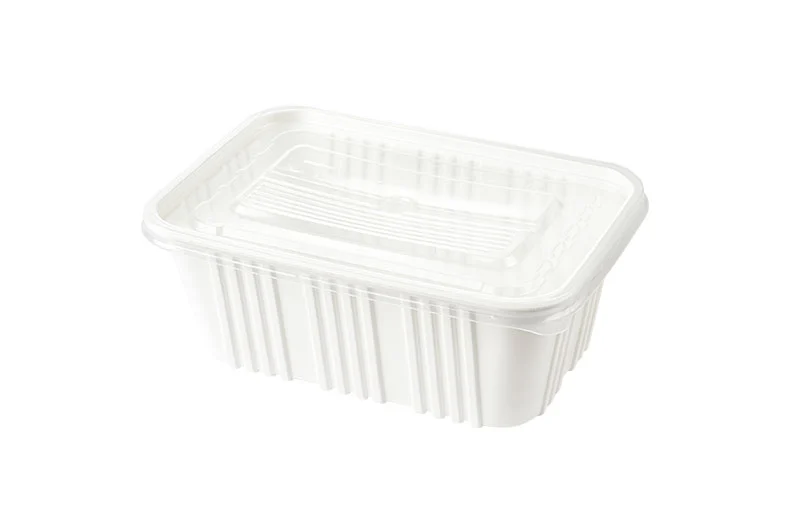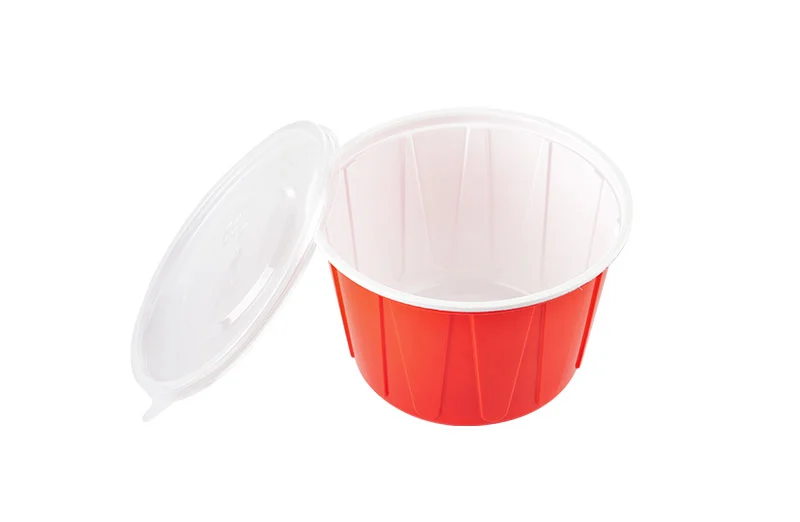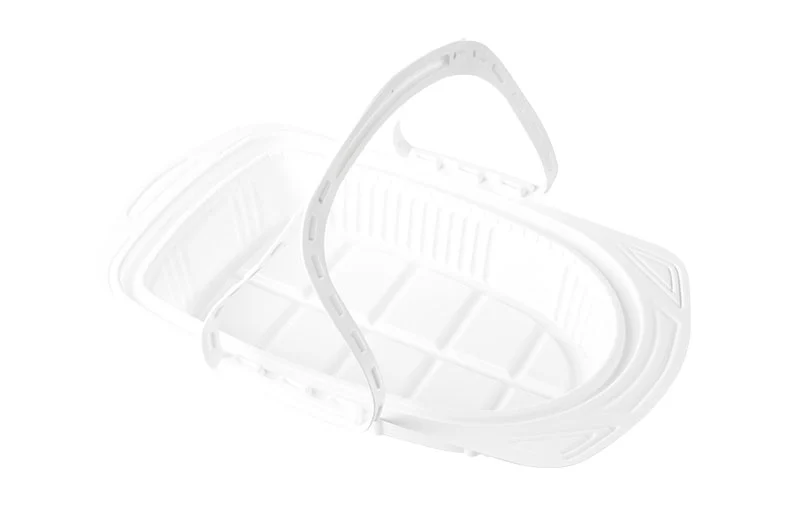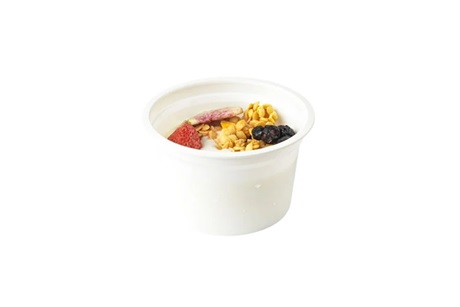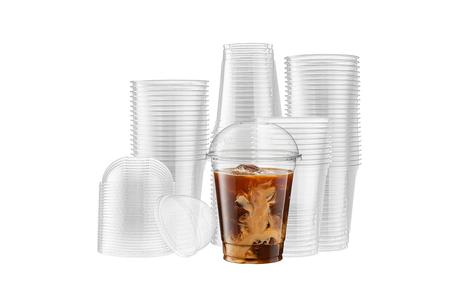
Portion control has become an essential aspect of food packaging, particularly in the takeaway and ready-to-eat food industries. When it comes to products like roast chicken, ensuring that the right amount of food is served to consumers is crucial for both customer satisfaction and operational efficiency. Roast chicken plastic containers provide a practical solution to portion control, offering a variety of benefits for both consumers and food vendors. This article explores why portion control in roast chicken plastic containers is so important and how it enhances the overall customer experience and business operations.
Portion control is key to managing food consumption, reducing waste, and meeting customer expectations. With roast chicken plastic containers, food vendors can easily package the ideal portion size for individual or family servings, ensuring that customers get exactly what they need. These containers are specifically designed to hold whole chickens or pre-cut portions, providing a convenient and standardized way to serve food. For businesses, this means consistent meal sizes, better inventory management, and the ability to offer a product that is both cost-effective and satisfying. The packaging design allows for a clear, practical division of portions, which is especially important in the case of whole chicken containers, where different serving sizes are needed.
In addition to helping with portion control, roast chicken plastic containers also play a significant role in preserving the quality and freshness of the chicken. When proper portions are packaged in these containers, the chicken remains sealed and protected, ensuring that it retains its moisture, flavor, and texture for longer. Unlike traditional methods of packaging, where the entire chicken might be exposed to air and temperature fluctuations, roast chicken plastic containers keep each portion separate and well-protected. This ensures that customers receive a fresh and high-quality product every time, which is vital for repeat business and consumer loyalty.
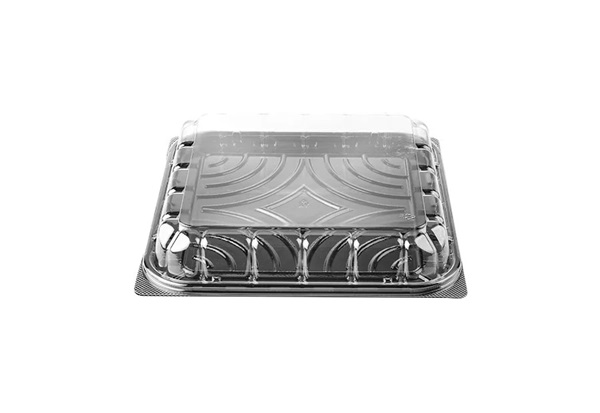
One of the most significant advantages of roast chicken plastic containers is the convenience they offer to both consumers and businesses. For customers, portion-controlled packaging allows for easy, on-the-go consumption. Whether it's for a quick lunch, a family meal, or a meal prep option, the pre-packaged portions in whole chicken containers make it easier to enjoy a delicious meal without the hassle of cutting or dividing the chicken. For businesses, these containers streamline the packing and serving process, saving time and ensuring that each order meets customer expectations. Whether the vendor is serving a single portion or multiple servings in larger containers, roast chicken plastic containers provide a quick and efficient solution.
While traditional packaging methods, such as paper or foil wraps, have been used to package roast chicken, roast chicken plastic containers provide a more effective solution for portion control. Below is a comparison between plastic containers and traditional packaging methods to highlight the advantages of portion control in roast chicken plastic containers:
Feature | Roast Chicken Plastic Containers | Traditional Packaging (Paper/Foil) |
Portion Control | High – designed to hold specific portions, from whole chickens to pre-cut servings | Low – difficult to manage portion sizes, often inconsistent |
Preservation of Freshness | High – airtight seals maintain moisture and freshness | Moderate – no airtight seals, leading to faster spoilage |
Ease of Handling | High – easy to stack, store, and transport | Low – can be messy, difficult to stack or store |
Environmental Impact | Moderate – recyclable or reusable options available | High – often non-recyclable and wasteful |
Convenience for Consumers | High – quick and easy access to food, no need to divide portions | Low – requires consumer to divide or cut portions |
As shown in the comparison table, roast chicken plastic containers provide more consistent portion control, better preservation of freshness, and greater convenience compared to traditional packaging methods. This makes them an excellent choice for food vendors aiming to enhance customer satisfaction while maintaining operational efficiency.
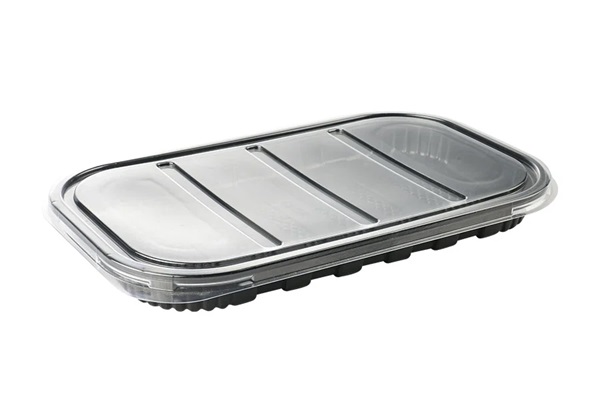
Another critical aspect of roast chicken plastic containers is their role in reducing food waste. By offering controlled portions, these containers help minimize over-serving and ensure that customers only receive the amount of food they can realistically consume. For businesses, this reduces the likelihood of leftover chicken going unsold, which can otherwise lead to waste. Portion control packaging also allows for more accurate inventory management, helping businesses forecast demand and avoid overproduction. The use of whole chicken containers helps streamline the preparation process, ensuring that each container is filled with the appropriate amount of product, which directly impacts waste reduction.
Roast chicken plastic containers are an essential tool for food businesses looking to implement effective portion control in their packaging. These containers offer numerous benefits, from preserving the freshness and quality of the chicken to providing convenience for both consumers and businesses. By ensuring that each portion is perfectly packaged and easy to serve, plastic containers help businesses optimize their operations, reduce waste, and enhance the overall customer experience. Whether it's a single-serving roast chicken plastic container or a larger whole chicken container, these packaging solutions are vital in meeting the growing demand for portion-controlled, high-quality meals.