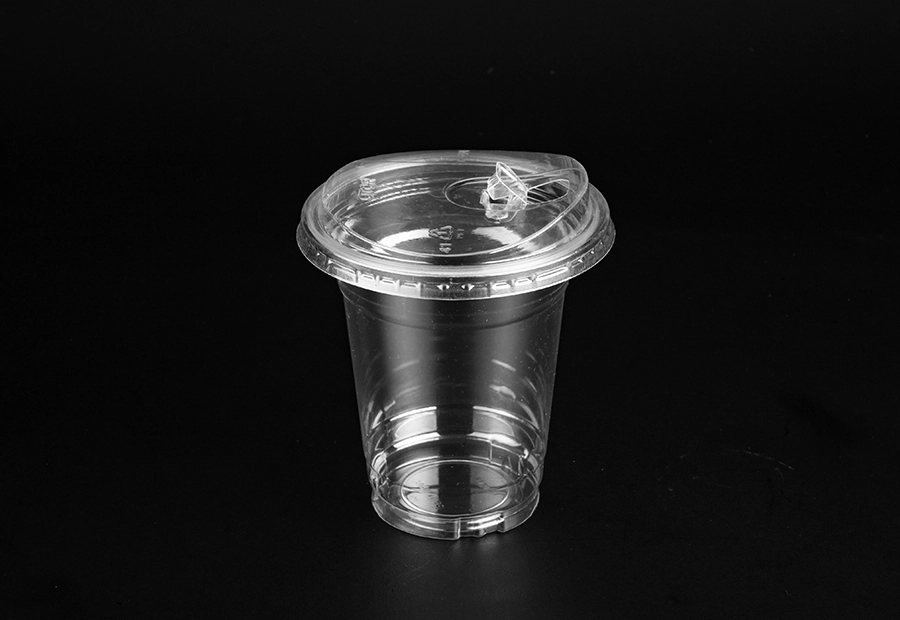
When selecting PET plastic cups, attention should be paid to the following key points:
Material Safety: PET plastic cups are commonly used for mineral water bottles and carbonated beverage bottles. However, it is important to note that PET material tends to deform at high temperatures (above 70 °C) and may release substances harmful to human health. Therefore, when choosing PET plastic cups, it is advisable to select models specifically labeled as heat-resistant and ensure that the usage temperature does not exceed the material's safe range.
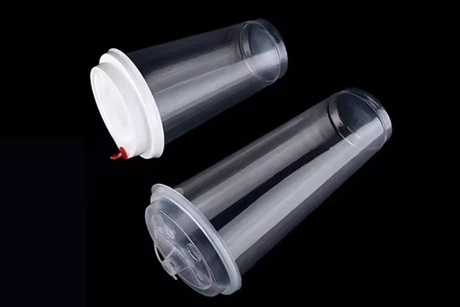
Transparency and Durability: Higher transparency generally indicates better quality PET cups. At the same time, attention should be paid to the wall thickness of the cup. An appropriate thickness not only enhances durability but also provides a comfortable and aesthetically pleasing grip.
Brand and Reputation: When buying disposable plastic cups wholesale, opt for PET plastic cups from reputable brands. Well-established brands typically implement stricter quality control and safety standards, thereby reducing health risks associated with inferior material quality.
Although PET plastic cups are safe under normal temperature conditions, they are not recommended for use in high-temperature environments, in order to avoid the release of harmful substances. PET cups should also not be placed in a microwave oven unless explicitly labeled as suitable for high-temperature sterilization.
When selecting PET plastic cups, priority should be given to material safety, transparency, and brand reputation, while observing temperature limitations during use. This ensures both safety and durability.
LWECOPACK PET cup supplier offers high-quality and cost-effective plastic cups that are manufactured using German Illig thermoforming technology. They are safe and efficient, certified with BRC Grade A, compliant with the ISO Quality Management System, and meet EU testing standards. PET cups are recyclable and reusable, contributing to environmental sustainability, and are widely used in the packaging industry.